The Stroke Patient's Journey: From Calling Emergency Services to Returning Home
Mom dropped her fork during lunch and began slurring her words. She said she was just tired and was going to lie down for a bit. Still, you kept her at the table and called emergency services. After that, everything moves fast: the ambulance, the CT scan, doctors asking when it started, terms you have never heard before.
The journey of a stroke patient is difficult to process while it is happening. That is why we are describing it here step by step, exactly as it is recommended to unfold. In our healthcare system, it may vary from hospital to hospital, but knowing what comes next makes it easier to help and ask the right questions.

The first step: the most critical time is lost at home
A stroke does not hurt. During a heart attack, a person feels severe pain and realizes they are in danger. A person experiencing a stroke often cannot speak or move part of their body, making them unable to help themselves. That is why the patient's outcome is most often in the hands of the person next to them.
The most common mistake is having the person lie down and waiting for it to pass. That is how hours are lost. The signs appear suddenly:
Face: one side is drooping, the smile is uneven.
Arms: one arm drifts downward or cannot be raised.
Speech: it is slurred, strange, or absent.
Time: note when it started and immediately call 194.
Call even if the symptoms disappear after a few minutes. This can be a warning sign of a major stroke.
What if it is unknown when it started
It happens that a person wakes up with symptoms, that a spouse finds them that way in the morning, or that someone living alone is found in this state. In such cases, time is counted from the moment they were last seen completely well. Try to remember or find out exactly when that was.
Calling 194 and the arrival of emergency medical services
You do not need to use any medical terminology with the dispatcher. Simply describe what you see: unable to speak, unable to move one side of the body, the corner of the mouth is drooping. The dispatcher will ask questions.
In Serbia, emergency medical teams include physicians. The team assesses the patient's condition using brief evaluation scales, such as the RACE scale, and in cases of suspected stroke, can consult with the on-duty neurologist. Together, they decide where the patient should be taken:
Directly to a thrombectomy center, if it is less than about an hour's drive away.
Via the nearest hospital, if the specialized center is farther away. An imaging scan is performed there and medication is administered if necessary, after which the patient is transported to the center if a thrombectomy is required. The transfer takes an hour to an hour and a half.
If emergency services cannot arrive quickly, do not wait. Transport the person to the nearest on-call facility listed on the page mozdaniudar.rs/dezurne-ustanove and notify 194 that you are on your way.


The First Hour in the Hospital
Ideally, the patient is pre-announced before arrival and goes directly for imaging and treatment. Admission typically proceeds in the following order:
The patient arrives at the emergency reception area.
The emergency medical physician informs the receiving doctor when the symptoms began, what findings were observed, and what information the family provided.
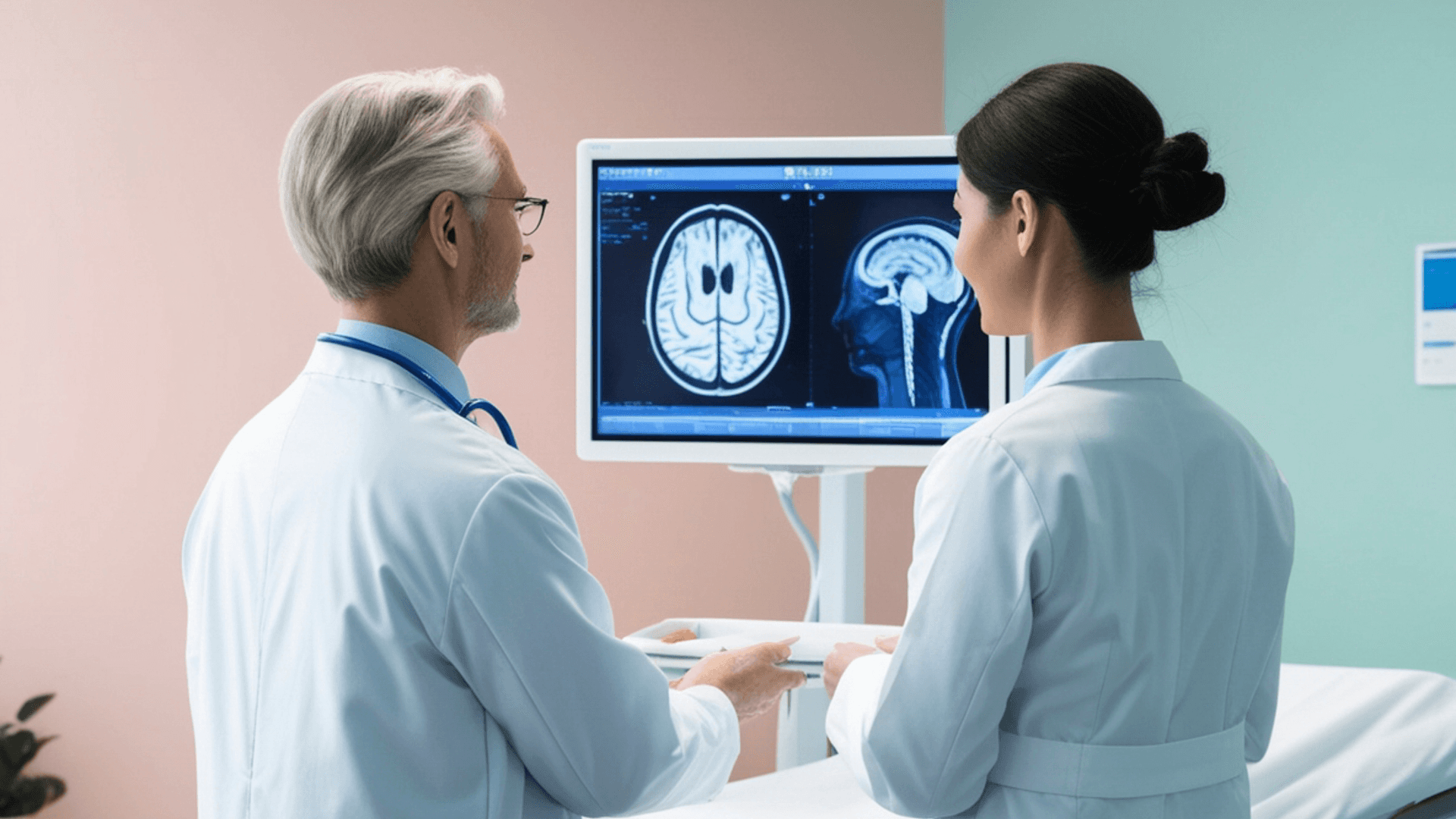
A neurologist is called, and together they determine the necessary imaging. This involves a CT scan, often accompanied by an evaluation of the blood vessels (CT angiography) and blood flow through the brain (CT perfusion).
A radiologist interprets the scans, and the neurologist reviews them.
If an intervention is required, the patient is admitted and treatment begins immediately.
The family has one critical task here: to provide the exact time the symptoms started and whether the person takes any medication, especially blood thinners. Please stay available by phone, as the physicians may have additional questions.
Treatment Depends on the Type of Stroke
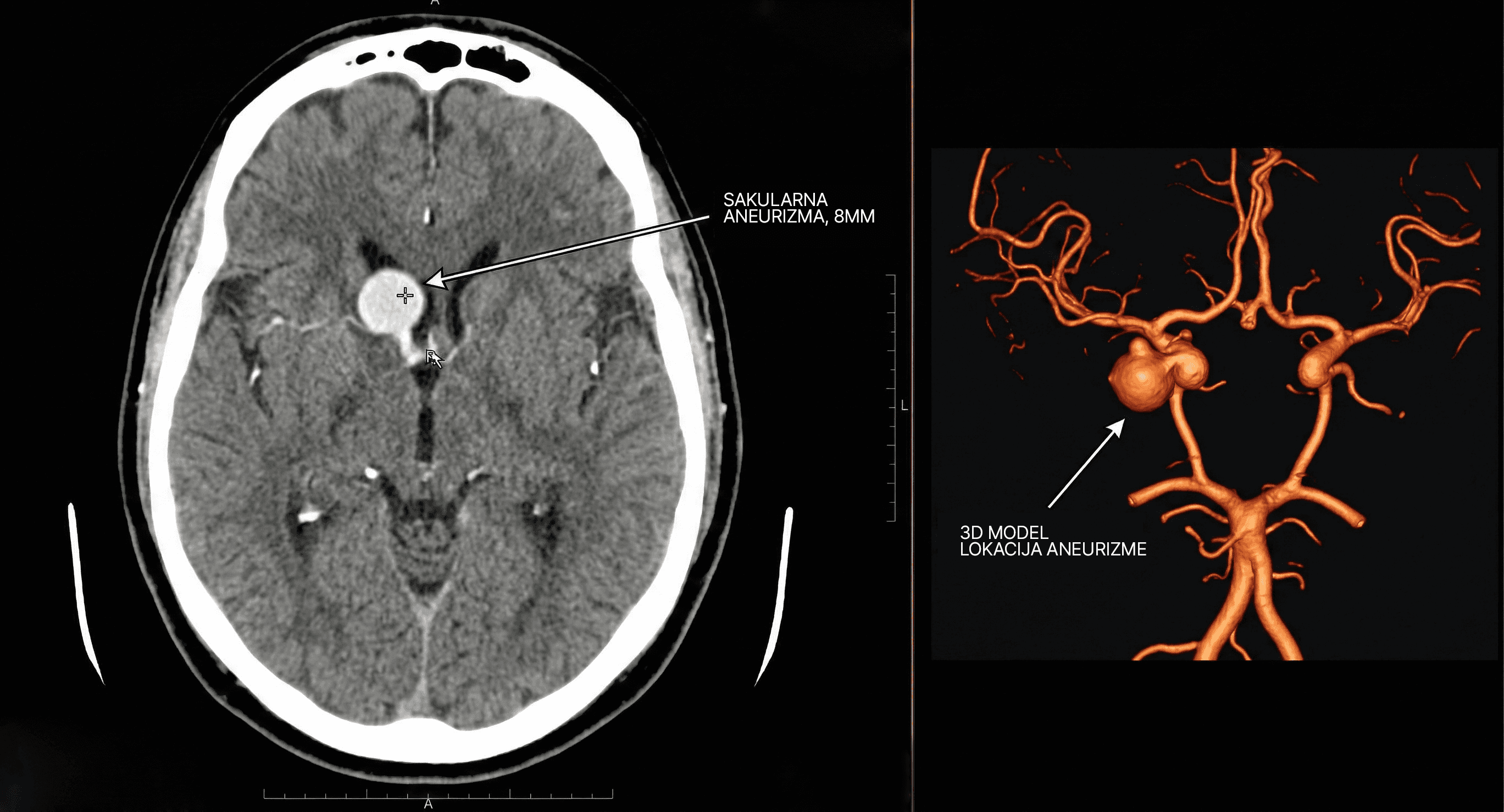
Imaging reveals whether the condition is caused by a blocked blood vessel or by bleeding, and the corresponding treatments are entirely different.
Ischemic stroke (blockage): Thrombolysis may be administered—an intravenous medication that dissolves the clot—within the first 4.5 hours from the onset of symptoms. Thrombectomy is a procedure to physically remove the clot from the blood vessel, and in selected patients, it can be performed up to 24 hours after onset.
Hemorrhagic stroke (bleeding): Treatment depends on the cause and extent of the bleeding. It may require medications, specialized procedures, or surgery. Clot-dissolving medication is not administered in this case.
Many patients will not receive thrombolysis or thrombectomy, either because they arrived outside the time window or because these methods are not medically appropriate for them. This does not mean there is no treatment. In these cases, supportive medical care, targeted medications, and early rehabilitation are essential.
In the Hospital Ward: Identifying the Cause and Taking the First Steps Toward Recovery
Physicians in the ward monitor the patient's condition and investigate the underlying cause of the stroke. Diagnostic tests may include blood analyses, an ECG with cardiac monitoring, and ultrasounds of the heart and the neck's blood vessels. These results determine which medications will be used to prevent a subsequent stroke.
Physical therapy, speech therapy, and swallowing exercises begin while the patient is still in the hospital. If the patient has difficulty swallowing, food and fluids can enter the lungs; therefore, always ask the medical staff whether it is safe for the patient to eat and drink before offering them anything.
Preparing to Return Home
The length of the hospital stay depends on the severity of the stroke and the patient's overall condition. Prior to discharge, ask the medical team to explain the next steps. Do not hesitate to ask questions, and write down the answers.
Questions for the Doctor Before Discharge
What type of stroke occurred, and what caused it?
What medications is the patient prescribed, when should they be taken, and for how long? What should be done if a dose is missed?
Are specialized exercises, speech therapy, or physical therapy needed, and where and how do we arrange them?
How should the patient eat and drink? Are there any dietary restrictions?
When is the follow-up appointment, and with which specialist?
What steps do we need to coordinate with the primary care physician?
How can we adapt the home environment to make it safe? Are assistive devices or medical aids required?

Recovery at Home
For some individuals, recovery takes days or weeks, while for others it may take months or years. Movement, speech, and cognitive abilities often improve in the initial weeks, and many people continue to make progress long afterward. Therefore, do not stop your exercises as soon as you return home.
Pay attention to what cannot be seen as well. Anxiety, depression, and significant post-stroke fatigue are common and treatable. If you notice that the person is withdrawn or lethargic, inform their physician.
Caregivers should not be alone in this either. Caring for a loved one after a stroke can be demanding and isolating, so seek support from other family members and inform your doctor in a timely manner if you are struggling.
How to Prevent a Subsequent Stroke
A review of studies indicates that approximately 11% of stroke survivors experience a recurrent stroke within the first year, and about 26% within five years. Some more recent studies report a lower risk, which is associated with improved prevention. The risk is highest during the initial weeks and months.
Take prescribed medications regularly, even when feeling well, and do not discontinue them on your own.
Monitor blood pressure, blood glucose, and cholesterol levels.
Quit smoking.
Attend scheduled follow-up appointments with your physician.
Frequently Asked Questions
How long is the hospital stay following a stroke?
There is no single answer. It depends on the type and severity of the stroke, complications, and how quickly the patient recovers. Consult the attending physician on the ward to understand what to expect in your specific case.
What happens when calling emergency services (194) for a suspected stroke?
The dispatcher will ask specific questions, after which the medical team arrives, assesses the patient's condition, and selects the appropriate hospital, often in consultation with a neurologist. Be sure to state exactly when the symptoms began.
Does every patient receive thrombolysis?
No. It depends on the type of stroke, the time that has elapsed, and the patient's overall health condition. This medication is not administered in cases of hemorrhagic stroke (brain bleeding).
What is a thrombectomy?
A procedure in which a blood clot is surgically removed from a blood vessel in the brain. It is performed in clinical centers in Belgrade, Novi Sad, Niš, and Kragujevac.
When does post-stroke rehabilitation begin?
Therapy begins while still in the hospital once physicians determine it is safe, and then continues in a rehabilitation facility or at home. Inquire with the medical team on the ward regarding the plan for your case.
Can a recurrent stroke occur?
Yes, and the risk is highest in the first weeks and months. Taking medications regularly, controlling blood pressure, and attending medical check-ups significantly reduce this risk.
This text is for informational purposes only and does not substitute for a professional medical examination. If you suspect someone is having a stroke, immediately call emergency services at 194.
References