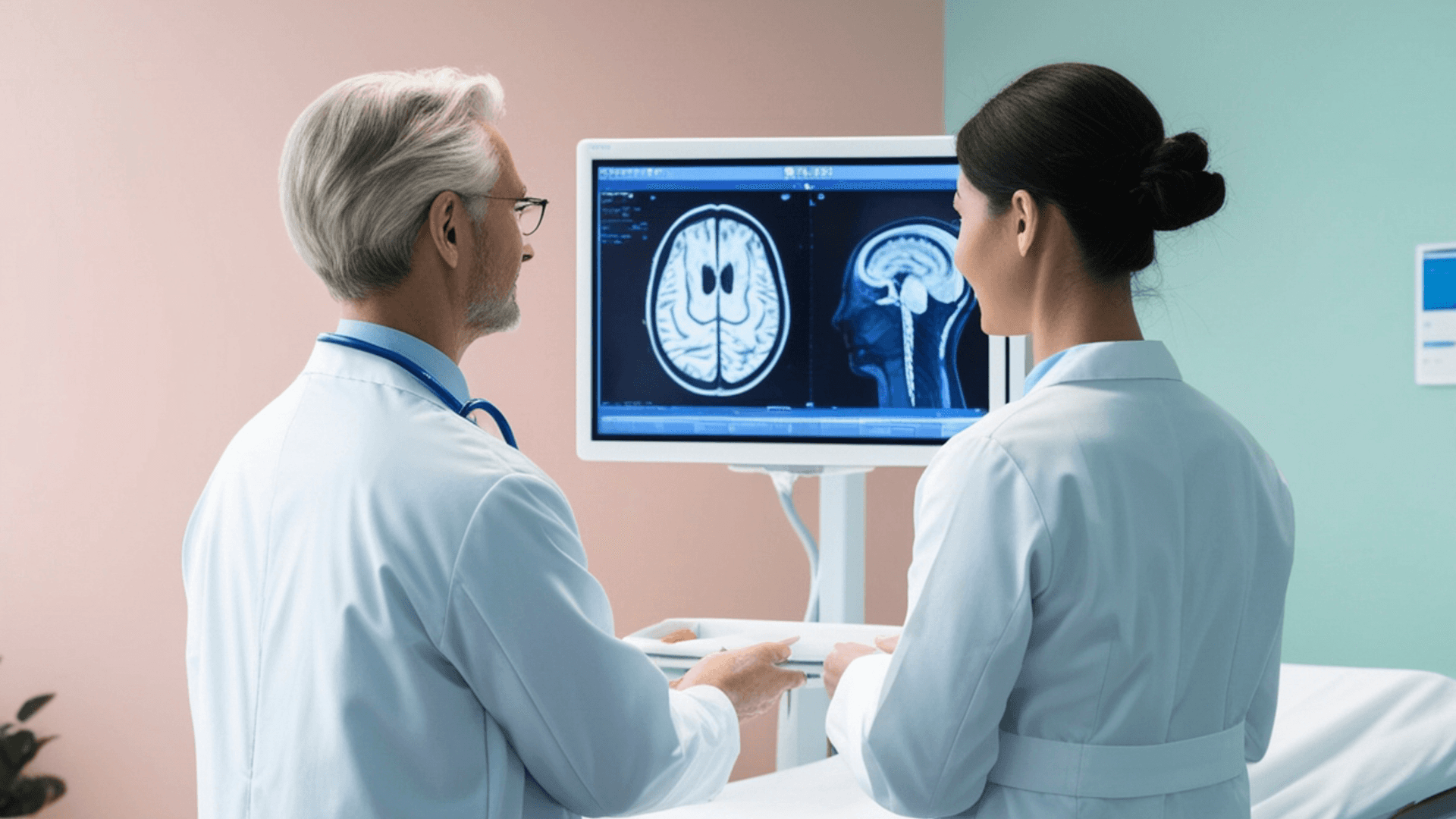
Aneurysm: Understanding, Symptoms, and Prevention
An aneurysm is a serious medical condition that can have significant consequences for a patient's health. This condition is defined as an abnormal bulge in the wall of a blood vessel, shaped like a small balloon, which can occur in various parts of the body. The greatest risk is posed by an aneurysm that occurs in the brain or the abdominal aorta. It often remains undetected until it ruptures, which can result in life-threatening situations.
This text aims to inform you about aneurysms, their symptoms, diagnostic methods, treatment options, and prevention, in order to collectively contribute to raising awareness about this important health issue.
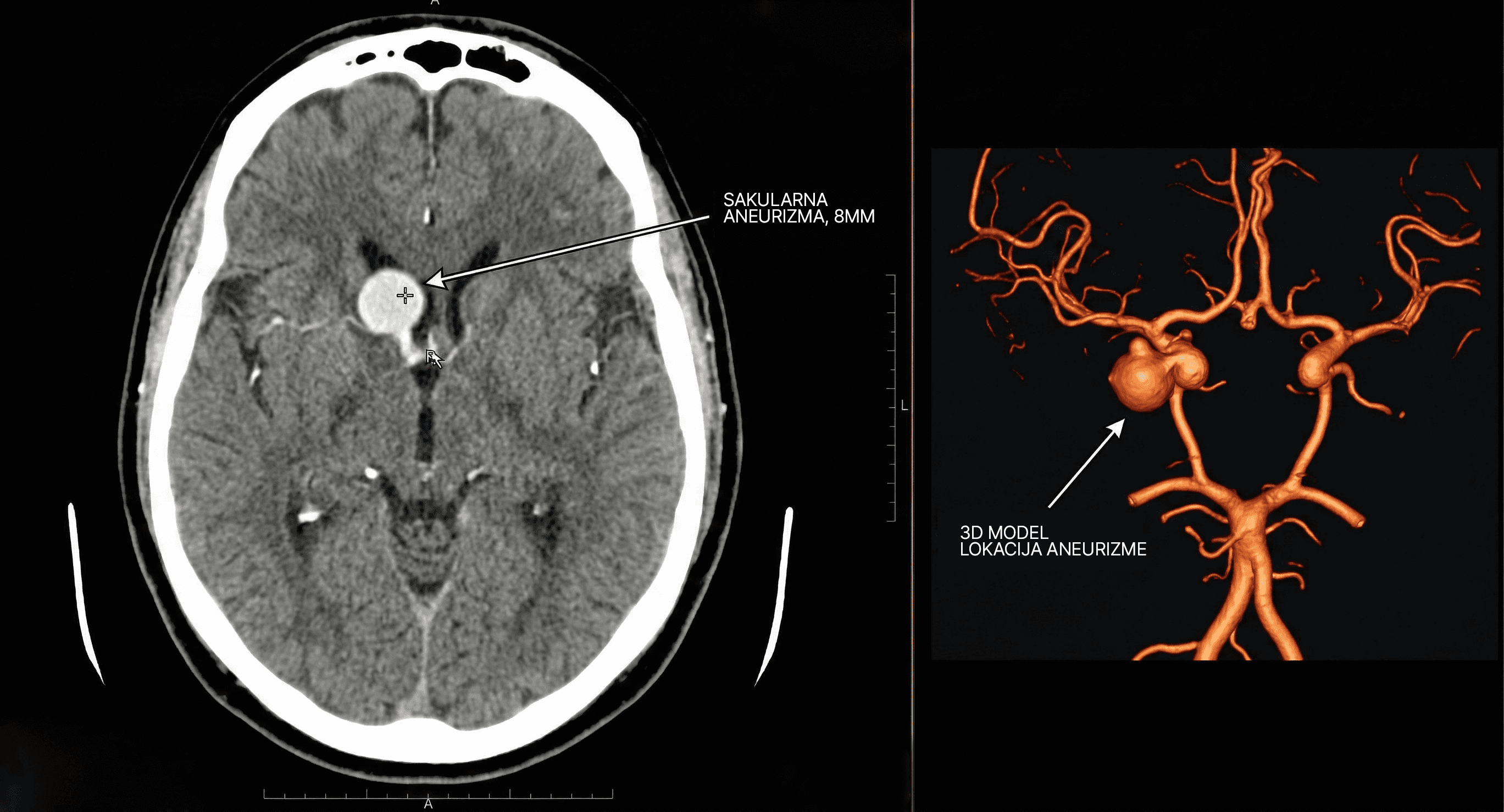
What is an aneurysm?
Definition of an aneurysm
An aneurysm can be described as an abnormal dilation of a blood vessel wall due to its weakness. There are several types of aneurysms, categorized by their location of origin:
Cerebral aneurysms – these occur in the arteries that supply the brain and pose a serious threat if they rupture.
Abdominal aneurysms – these most commonly develop in the aorta, the main blood vessel that passes through the abdomen.
Thoracic aneurysms – these are located in the section of the aorta that passes through the chest area of the body.
Causes and risk factors
The development of an aneurysm can be caused by various factors, including:
Genetic predisposition: Families with a history of aneurysms have an increased risk of inheriting this susceptibility.
Hypertension: High blood pressure can weaken blood vessel walls and contribute to the formation of aneurysms.
Diabetes: This disease can negatively affect the structure of blood vessels, increasing the risk of aneurysms.
Smoking: This habit represents a significant risk factor for the development of various cardiovascular diseases, including aneurysms.
Additionally, prior trauma or other conditions, such as head or abdominal injuries, can play a role in the development of aneurysms.
Symptoms of an Aneurysm
General Symptoms
One of the most dangerous characteristics of aneurysms is that many of them can remain asymptomatic until the moment of rupture. In some cases, an aneurysm can exert pressure on surrounding tissues, which can lead to symptoms such as:
Pain in the area where the aneurysm is located.
Blurred vision or visual disturbances, particularly in the case of a cerebral aneurysm.
Symptoms of a Ruptured Aneurysm
When an aneurysm ruptures, the symptoms are typically sudden and dramatic. These may include:
A sudden, severe headache, which is often described as the "worst headache of one's life."
Nausea and vomiting, which frequently accompany the headache.
Loss of consciousness or seizures, due to severe brain injury.
In the event of these symptoms, immediate medical attention is required. More information can be found on the website aneurizma.rs.
Diagnosis of an Aneurysm
Diagnostic Methods
The diagnosis of an aneurysm typically begins with diagnostic imaging, and the most commonly used methods include:
MRI (Magnetic Resonance Imaging): This method uses magnetic waves to obtain precise images of the body's internal structures.
CT (Computed Tomography): This technique uses X-rays to generate detailed images and is usually utilized in emergency situations.
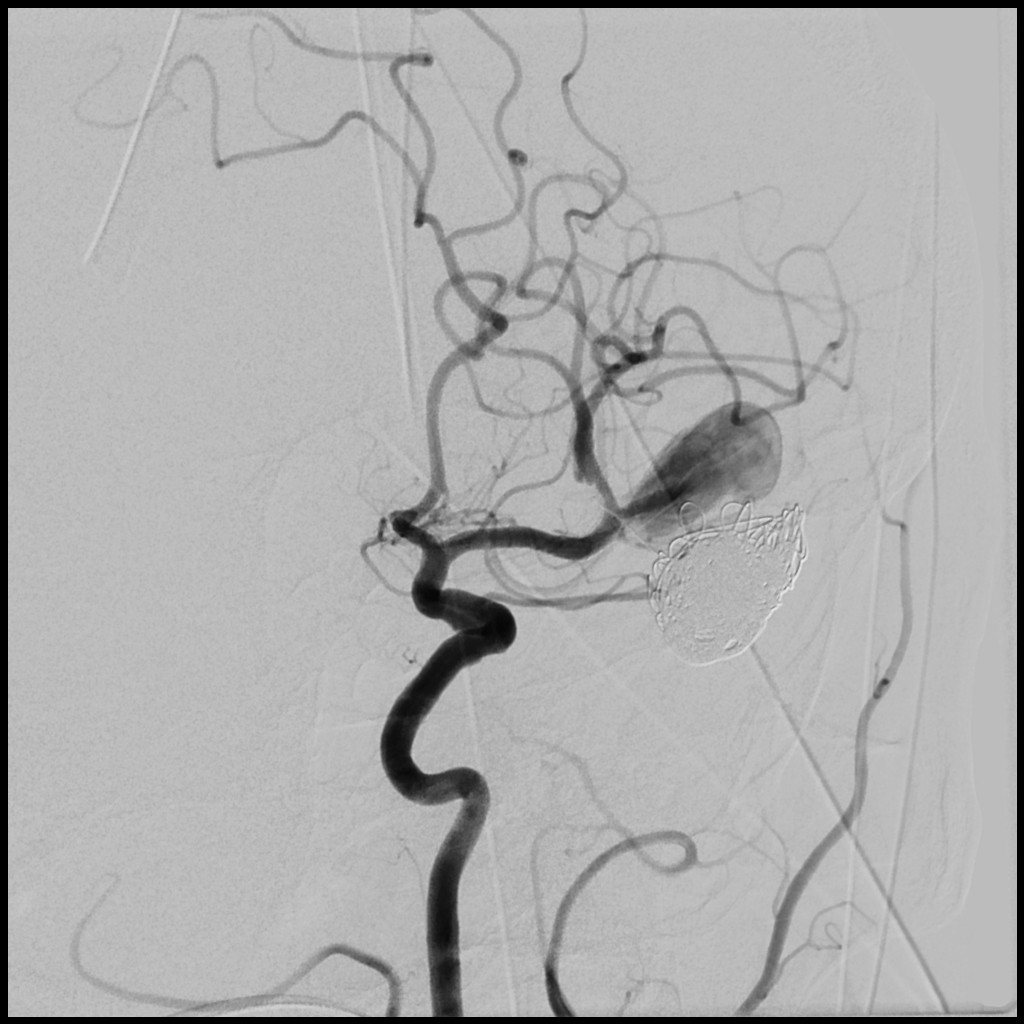
Angiography: This procedure involves introducing a contrast agent into the blood vessels to visualize any abnormalities during imaging.
The Importance of Timely Diagnosis
Prompt identification of an aneurysm can significantly impact the prospects for successful treatment. Smaller aneurysms are often monitored, while larger ones may require urgent surgical intervention. Timely diagnosis enables physicians to select the optimal treatment approach.
Aneurysm Treatment and Management
Surgical Methods
The treatment of aneurysms can involve various surgical procedures, including:
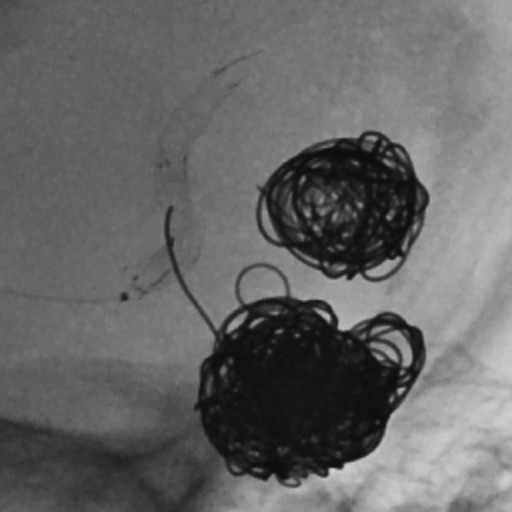
Aneurysm clipping: This procedure involves placing a metal clip at the base of the aneurysm to prevent further blood flow into it.
Endovascular therapy: This minimally invasive option involves inserting a catheter through the blood vessels to seal off the aneurysm.
Monitoring and Follow-up
In the case of smaller aneurysms, immediate treatment may not be required. Doctors will recommend regular check-ups and monitoring to ensure the aneurysm is not progressing.
Risk Factor Management
Lifestyle changes can significantly reduce the risk of developing aneurysms. A healthy lifestyle includes:
A healthy diet, rich in fruits, vegetables, and fiber.
Regular exercise, which helps manage body weight and blood pressure.
Smoking cessation, which is crucial for reducing risk.
Management of chronic conditions, such as hypertension and diabetes.
Aneurysm Prevention
Lifestyle Changes
Adopting a healthy lifestyle can significantly reduce the risk of aneurysms. Regular medical check-ups are key to the timely detection of potential issues and the implementation of appropriate measures.
Education and Awareness
Informing family and friends about aneurysms can increase awareness of this condition. Organizing educational workshops and lectures can provide vital information on recognizing symptoms and the need for urgent medical attention.
Aneurysm as a Serious Health Challenge
An aneurysm is a serious medical condition that requires attention and understanding. It is crucial to recognize the symptoms and consult a doctor promptly for diagnosis and treatment. Lifestyle changes and education play a significant role in prevention. It is always important to monitor your health and attend regular medical examinations. If you would like to learn more about aneurysms in greater detail, please visit the website aneurizma.rs.