Mild Stroke: Symptoms You Must Not Ignore
A mild stroke, commonly known as a mini-stroke or TIA (transient ischemic attack), represents a serious medical situation that requires immediate reaction. Recognizing the symptoms of a mild stroke can significantly influence the outcome and reduce the risk of permanent consequences. In this article, we will examine the importance of understanding the symptoms, causes, and rapid action in order to ensure a timely response.
Understanding a Mild Stroke
Definition and Characteristics
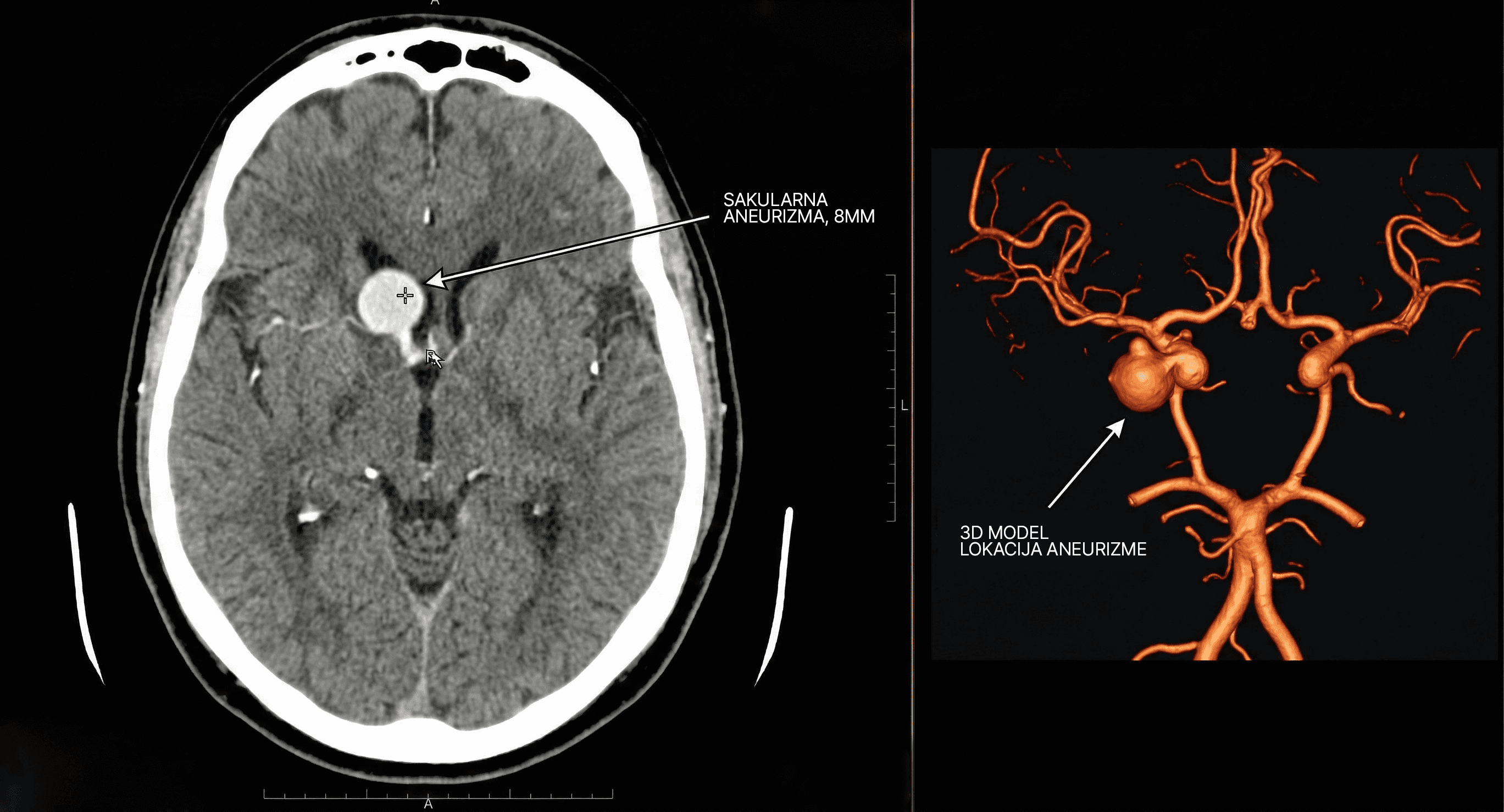
A mild stroke is defined as a temporary reduction in blood flow to the brain. Although symptoms often last only a few minutes or hours, this phenomenon represents a significant indicator of an increased risk of a full-scale stroke. A mild stroke most commonly occurs in an ischemic form, due to a blockage of a blood vessel.
Causes and Risk Factors
The causes of a mild stroke include the presence of blood clots that obstruct blood flow to certain parts of the brain. Risk factors include advanced age, high blood pressure, diabetes, smoking, as well as unhealthy diet and lack of physical activity. These elements significantly weaken the cardiovascular system, thereby increasing the likelihood of developing a stroke.
Key Symptoms of a Mild Stroke
Symptoms of a mild stroke typically appear suddenly and can vary among different individuals. The following symptoms are most commonly present:
One-sided Numbness or Weakness
One of the most common symptoms of a mild stroke is weakness or numbness on one side of the body, including an arm, leg, or the face. For example, if a person is unable to raise their arm or you notice that one side of their face is drooping, this can indicate a serious problem.
Speech Difficulties
Difficulty speaking or understanding is also a clear sign of a mild stroke. A person may have trouble finding words or may speak unclearly. If you notice that a person cannot repeat a sentence correctly, or uses the wrong words, an immediate response is necessary.
Impaired Vision
Sudden changes in vision, such as blurred or double vision, can also be a symptom of a mild stroke. In the event that a person cannot see clearly or distinguish objects, prompt action is required.
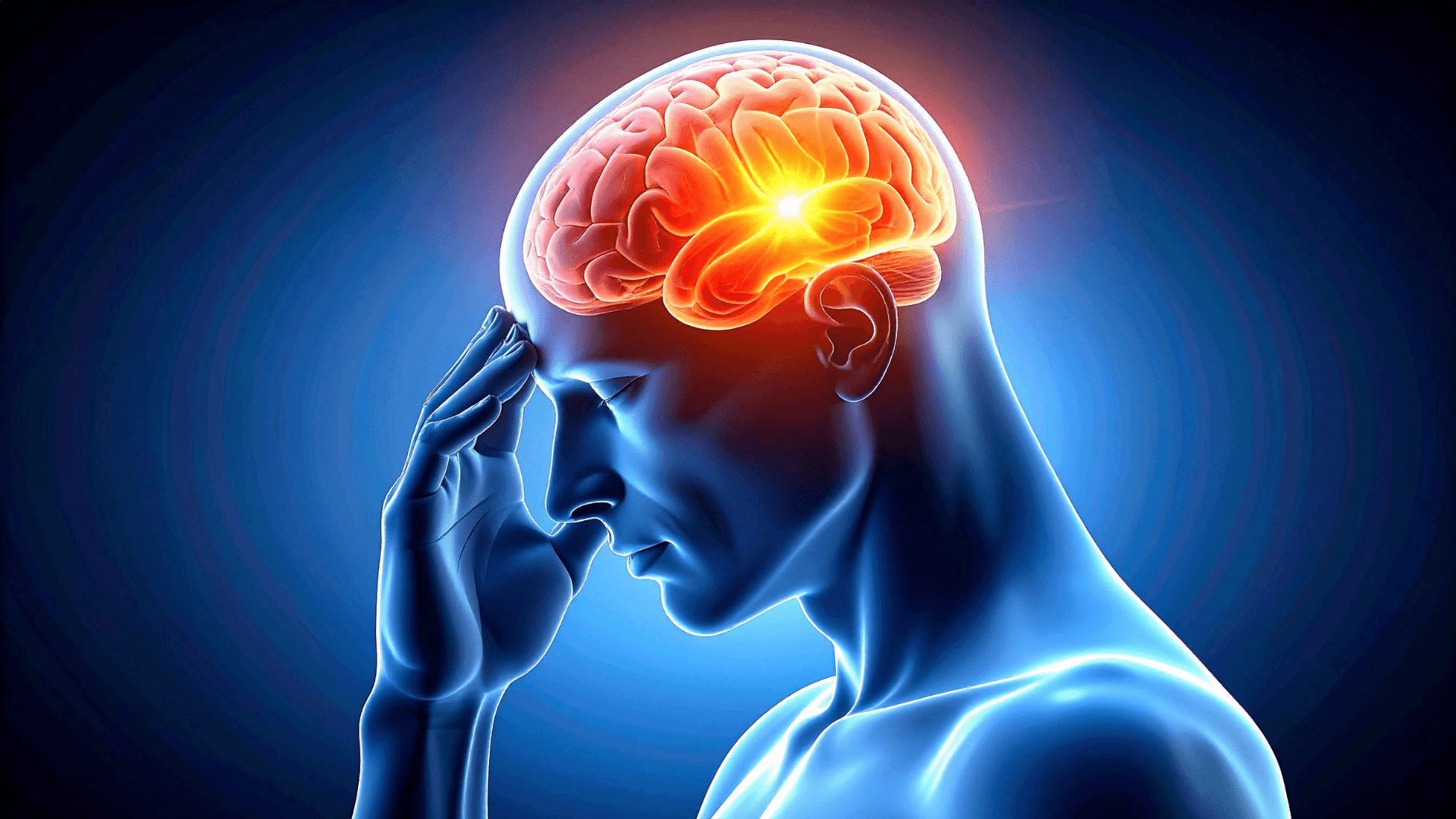
Sudden Headache
A headache that occurs suddenly and more intensely than usual can be an additional symptom of a mild stroke. If such a headache occurs without an apparent cause and is accompanied by other symptoms, emergency medical assistance is mandatory.


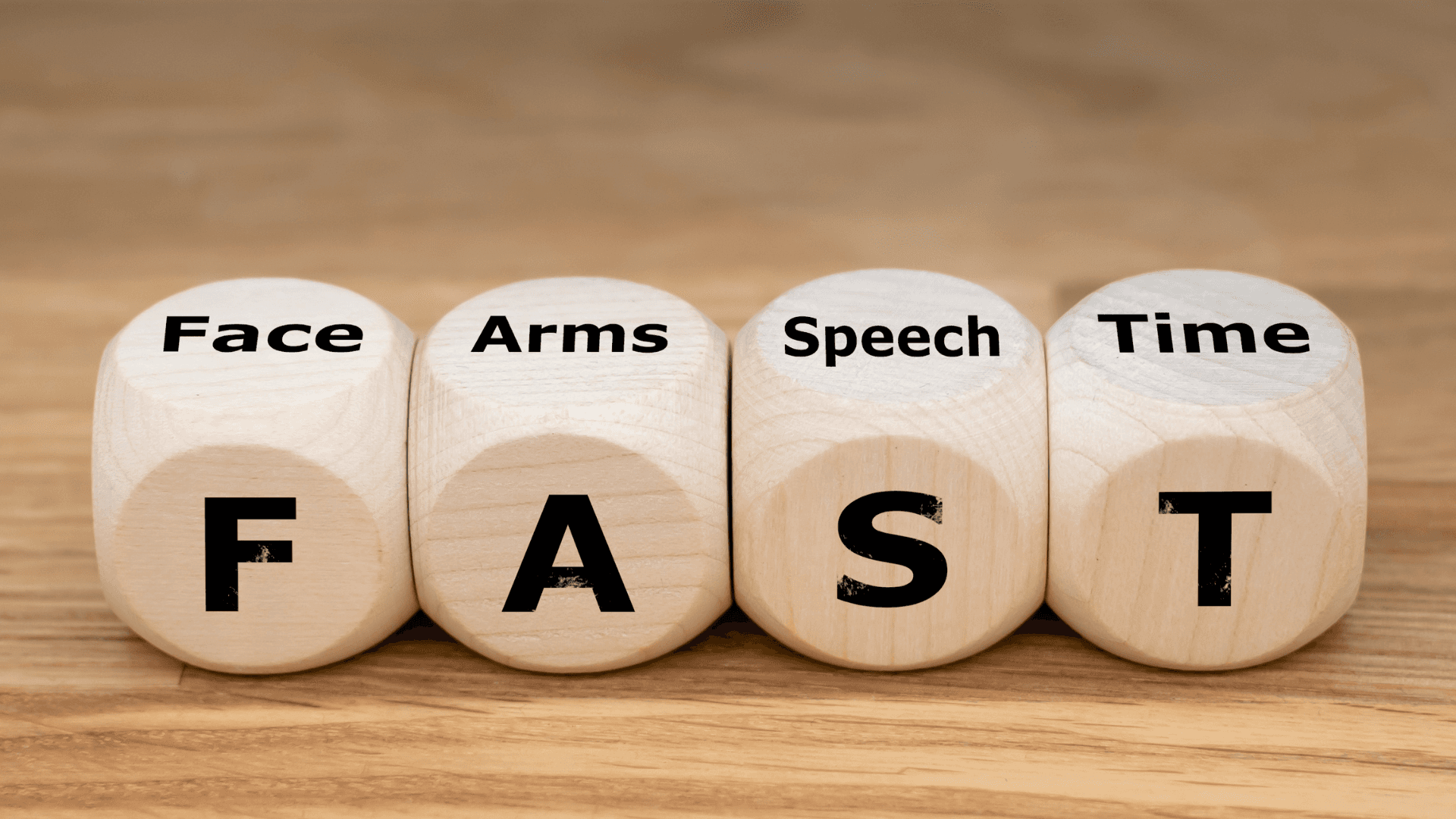
Symptom Recognition Method: F.A.S.T.
A simple method for recognizing the symptoms of a mild stroke is the acronym F.A.S.T.:
F – Face
Check if the person can smile. If one side of the face appears droopy or weak, this can be a sign of a serious issue.
A – Arms
Ask the person to raise both arms. If one arm drifts downward or shows weaker muscle tone, this may indicate weakness associated with a mild stroke.
S – Speech
Ask the person to repeat a simple sentence. Is their speech clear, or are they struggling? Speech difficulties can be a key indicator of a mild stroke.
T – Time
If you observe any of these symptoms, call emergency services immediately. Every minute is essential, as a rapid response can significantly reduce potential long-term consequences.
The Importance of Rapid Action
Time and Consequences
Every minute is critical when dealing with a mild stroke. A prompt reaction can significantly lower the risk of permanent damage. Research demonstrates that timely intervention can drastically improve patient outcomes, reducing the likelihood of severe health complications.
How to Contact Emergency Services
In Serbia, emergency medical services can be reached by dialing 194. When placing the call, it is vital to describe the symptoms clearly and precisely, enabling the medical team to respond swiftly and appropriately. If you notice that the ambulance is not arriving in time, transporting the patient to the nearest on-duty medical facility as quickly as possible becomes the priority.
Additional Symptoms and Variations
Less Common Symptoms
In addition to the symptoms already mentioned, less common manifestations are also possible, such as dizziness, fainting, as well as balance or coordination problems. All of these symptoms can indicate a potential mild stroke and must not be ignored.
Distribution of Symptoms in Women
It is important to note that symptoms of a mild stroke in women can be somewhat different from those in men. Women more frequently report symptoms such as headache, fatigue, or difficulty breathing, which can make recognizing the condition more challenging. Therefore, it is crucial to pay attention to all possible signs.
Prevention of Mild Stroke
Healthy Lifestyle Advice
Prevention of a mild stroke involves adopting healthy lifestyle habits, such as a proper diet rich in fruits, vegetables, and whole grains, along with regular physical activity. Stress management, avoiding smoking, and limiting alcohol intake are also key to reducing risk. Managing risk factors, such as hypertension and diabetes, is of fundamental importance.
The Importance of Regular Medical Check-ups
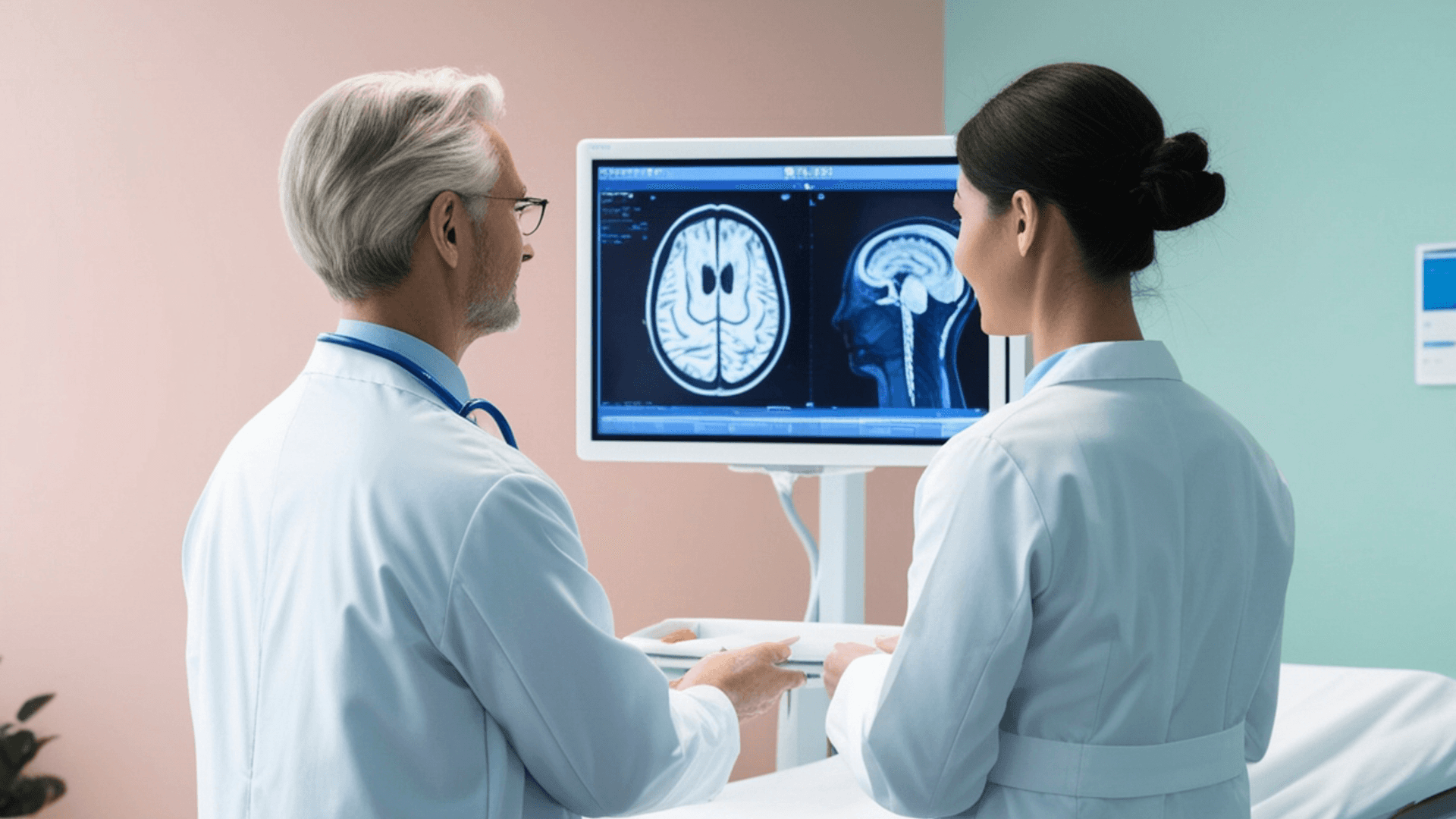
Regular medical check-ups help identify and control risk factors. If you have a family history of stroke or other chronic diseases, consult your physician. Prevention is always better than cure, and timely recognition of symptoms and risk factors is crucial for preserving health.
Recognizing the symptoms of a mild stroke can significantly save lives. In this text, we have highlighted key information regarding symptoms, causes, and the importance of a rapid response to potential symptoms of a mild stroke. Share this knowledge with others so that we can work together to protect and preserve health.