Life Expectancy After a Stroke: Understanding and Rehabilitation
Life expectancy after a stroke is a crucial topic of interest for patients, their families, and healthcare professionals. Understanding the factors that influence life expectancy after a stroke can significantly contribute to improving the quality of life and the recovery process. A stroke does not only affect the patient's physical health, but also has psychological and emotional consequences that impact the entire family. In this text, we will focus on the factors that influence life expectancy, the rehabilitation process, and recovery possibilities.
Understanding Stroke
Definition and Types of Stroke
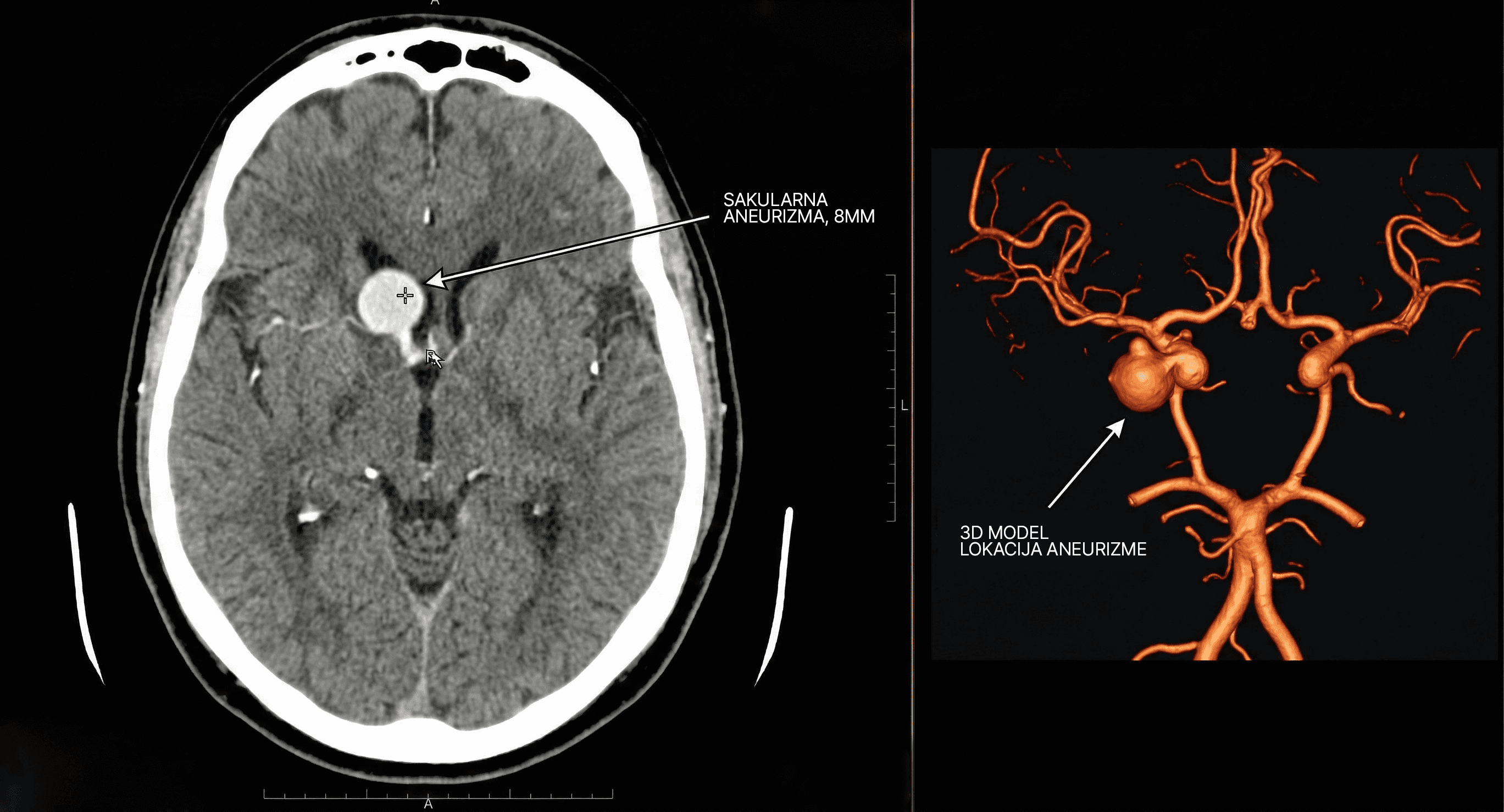
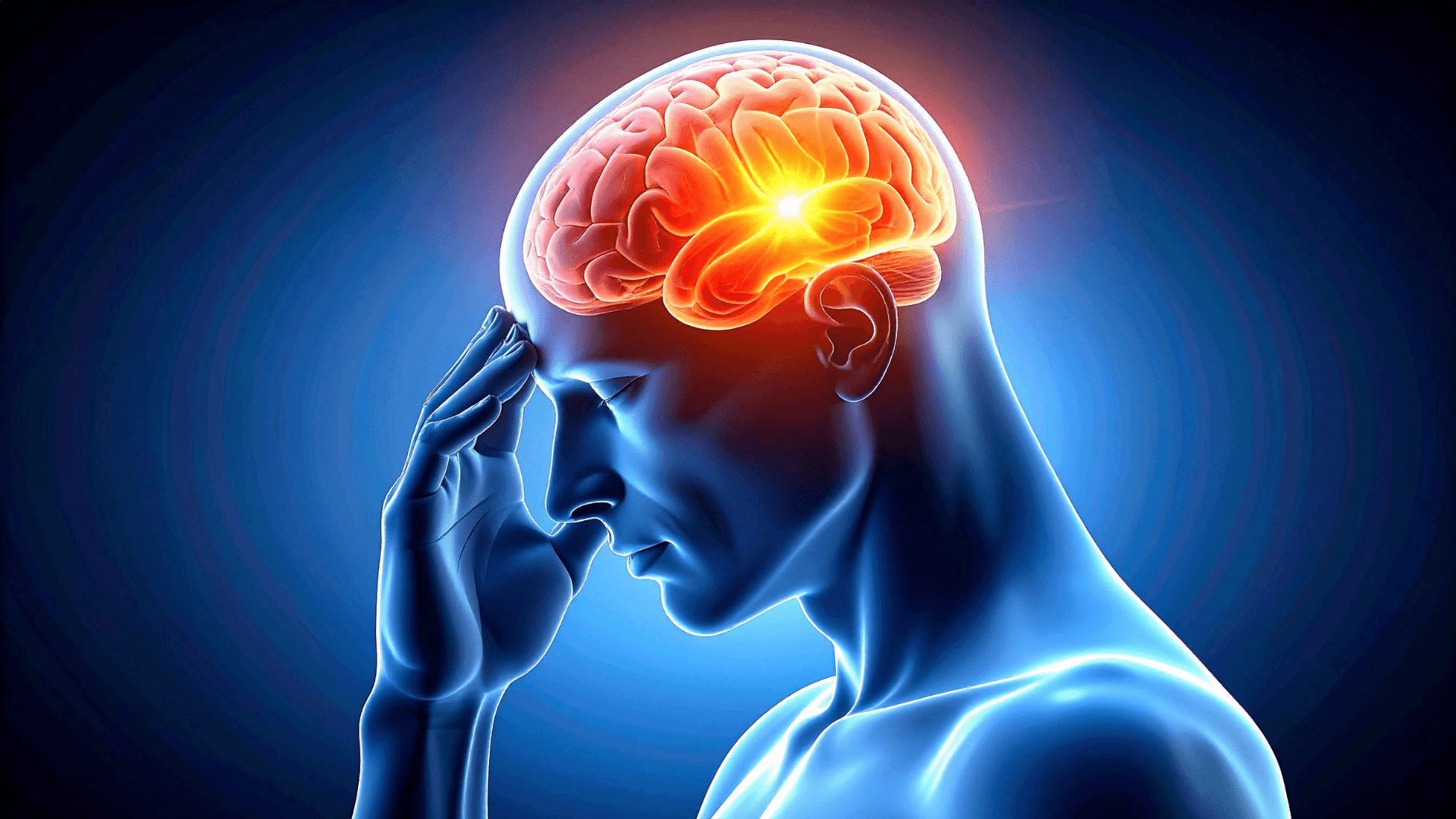
A stroke occurs when there is a sudden interruption of blood flow to the brain, leading to damage of brain cells. We can distinguish two main types of stroke: ischemic and hemorrhagic. Ischemic stroke accounts for approximately 87% of all cases and occurs when a blood vessel becomes blocked, most commonly due to the formation of a blood clot. On the other hand, hemorrhagic stroke occurs due to the rupture of a blood vessel, which can often be a consequence of high blood pressure or an aneurysm. In Serbia, the prevalence of stroke represents a growing concern, particularly among the older population.
Risk Factors
Identifying risk factors is of vital importance for stroke prevention. Older adults, patients with hypertension, diabetes, smokers, and overweight individuals are at a higher risk. These factors directly influence the incidence and severity of stroke. For example, high cholesterol levels can contribute to the formation of blood clots, while physical inactivity weakens heart function.
Statistics and Prognosis
Average Life Expectancy After a Stroke
The average life expectancy after a stroke depends on several variables, including the type of stroke, the patient's age, and overall health status. Statistical data indicate that approximately 25% of patients pass away within one month after a stroke, while 60% of survivors can expect a life expectancy of five years or more. Differences in life expectancy can vary significantly depending on the type of stroke — patients with ischemic stroke generally have a better prognosis compared to those who have experienced a hemorrhagic stroke.
Factors Influencing Life Expectancy
Numerous factors influence life expectancy after a stroke, including the patient's age, overall health status prior to the stroke, the speed of diagnosis and initiation of treatment, as well as the quality of rehabilitation. Rapid diagnosis and adequate treatment can significantly improve outcomes, while rehabilitation plays a crucial role in the recovery and improvement of the patients' quality of life.
Rehabilitation and Recovery
The Rehabilitation Process
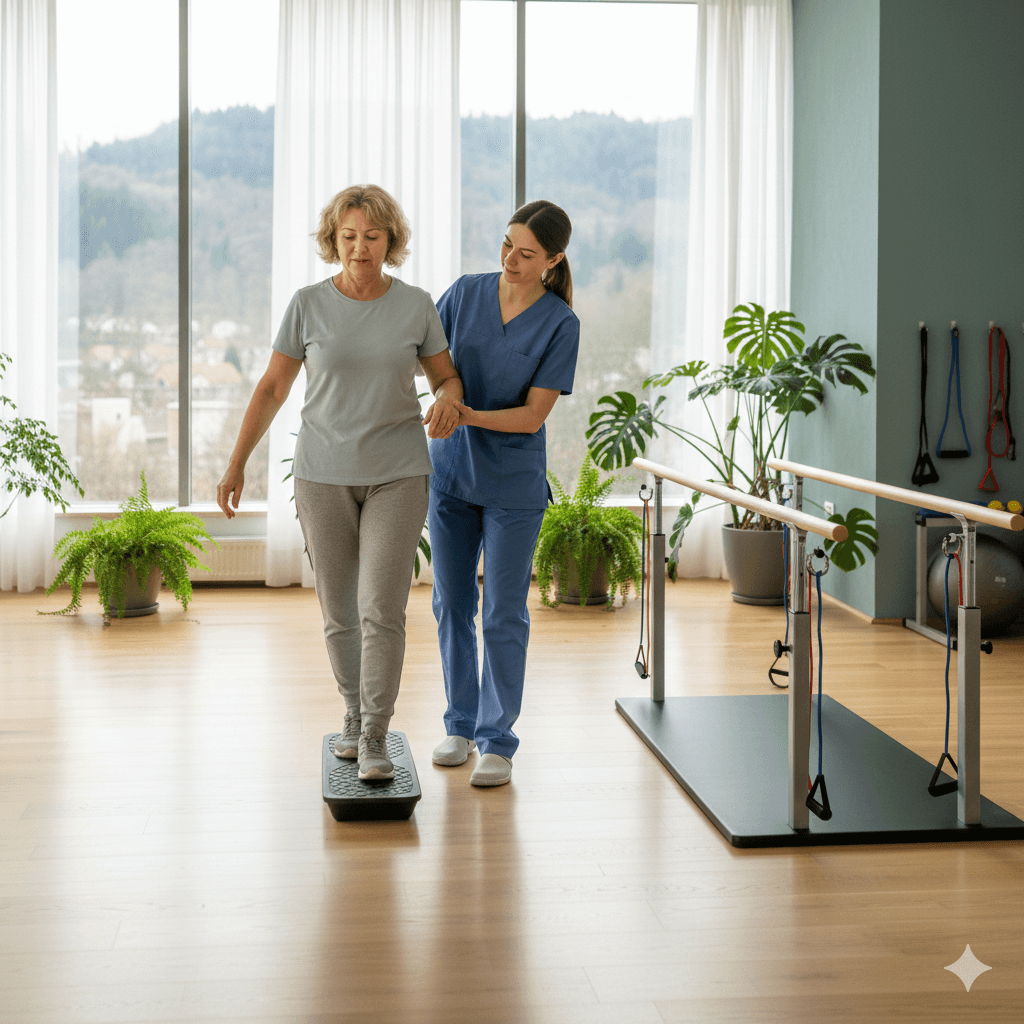
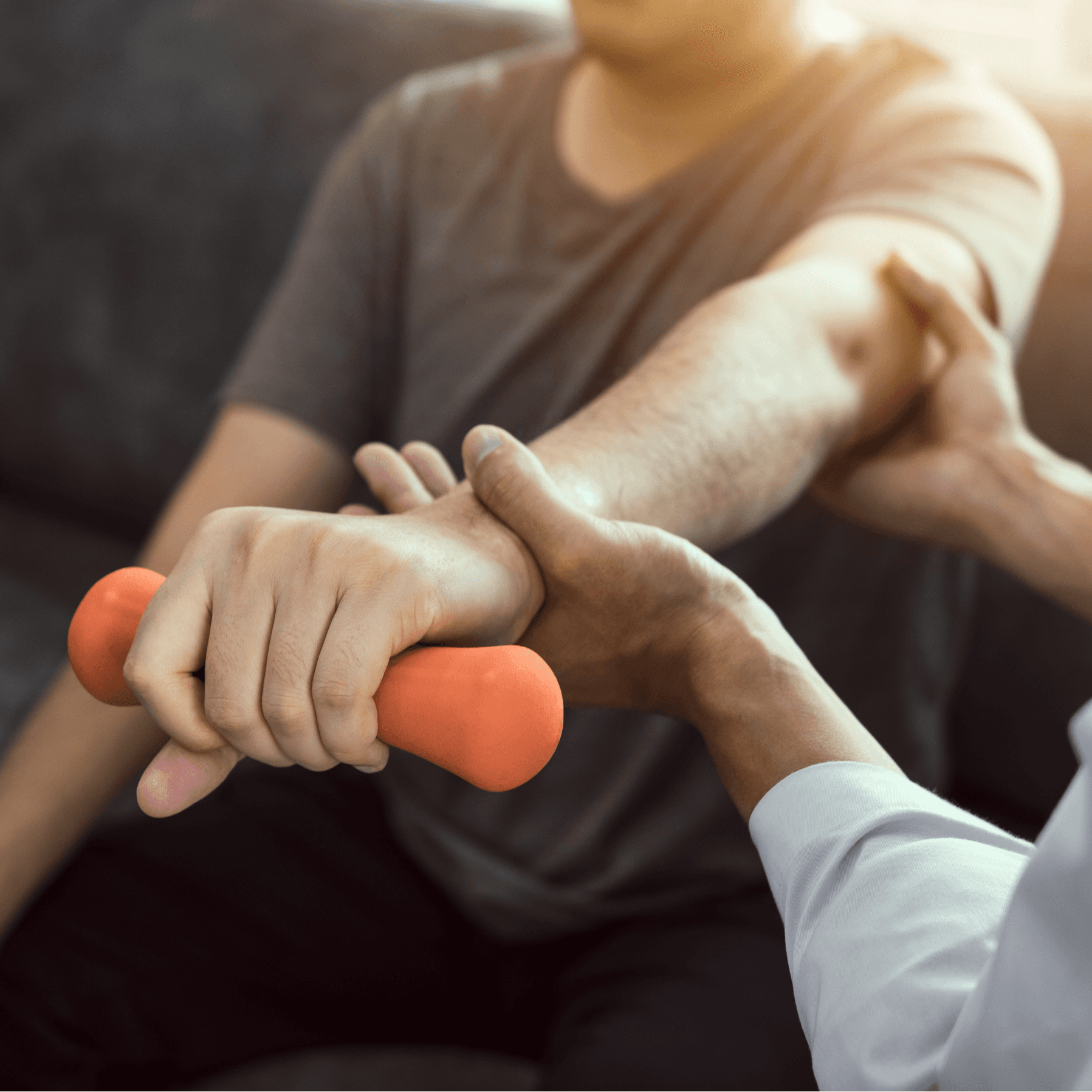
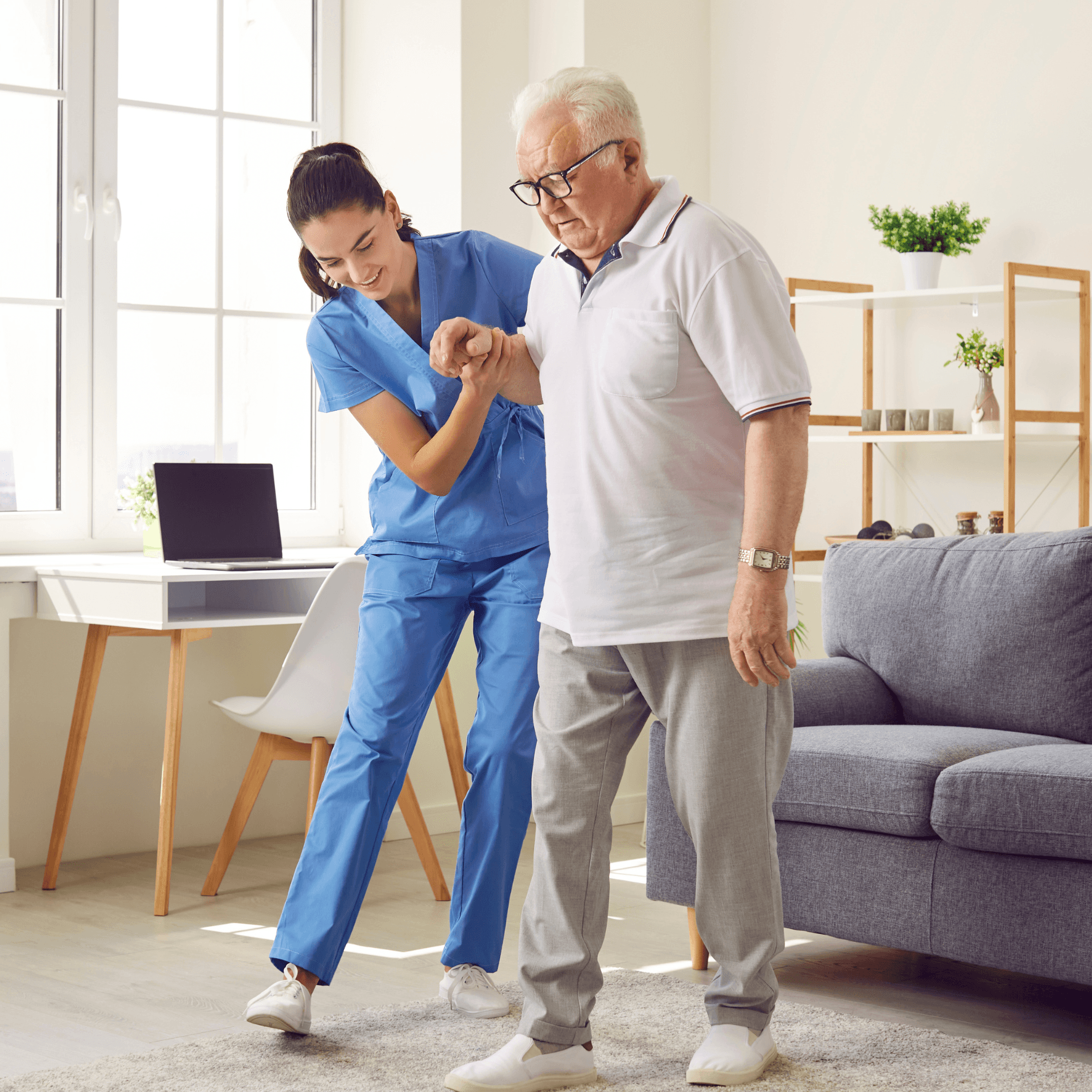
Rehabilitation after a stroke involves various therapies and processes aimed at helping patients restore their functions and regain independence. The most common methods include physical therapy focused on improving mobility, occupational therapy aimed at restoring daily life skills, and speech therapy to address communication issues. Together, these methods contribute to the comprehensive recovery of patients.
The Importance of Mental Health
The emotional and mental health of patients after a stroke is of fundamental importance for their recovery. Many patients face anxiety, depression, and stress. Providing emotional support and giving patients a space to talk about their feelings can significantly contribute to the quality of recovery. Spending time with family and receiving support through conversations or psychological support groups can significantly improve the mental health of patients.
Prevention of Recurrent Stroke
Lifestyle Changes
Adopting a healthy lifestyle can significantly reduce the risk of a recurrent stroke. It is recommended to maintain a diet that includes fruits, vegetables, and whole grains, as well as to engage in regular physical exercise. Even minor changes, such as daily walks, can have a positive impact on health.
Control of Blood Pressure and Diabetes
Regular monitoring of health conditions and the proper use of prescribed therapy are crucial for preventing a recurrent stroke. Patients should visit their doctor to check their blood pressure and blood sugar levels, which can reduce the risk of subsequent strokes.

Support and Resources
Organizations and Support Groups
There are many local and national organizations that provide assistance to patients and their families following a stroke. These groups often offer information, resources, and emotional support. Information can be easily found through online searches or by visiting local healthcare facilities.
Connecting with Therapists and Specialists
It is crucial for patients to find the right support during rehabilitation. Involving therapists and specialists can significantly improve recovery outcomes. Qualified therapists and rehabilitation specialists can provide guidance on applying learned skills to daily life.
A comprehensive understanding of life expectancy after a stroke, as well as the importance of rehabilitation, can significantly assist patients and their families. Understanding key risk factors, the recovery process, and prevention methods can contribute to a better quality of life. Investing in education and raising awareness about this topic can strengthen the community and provide support to those facing challenges after a stroke.