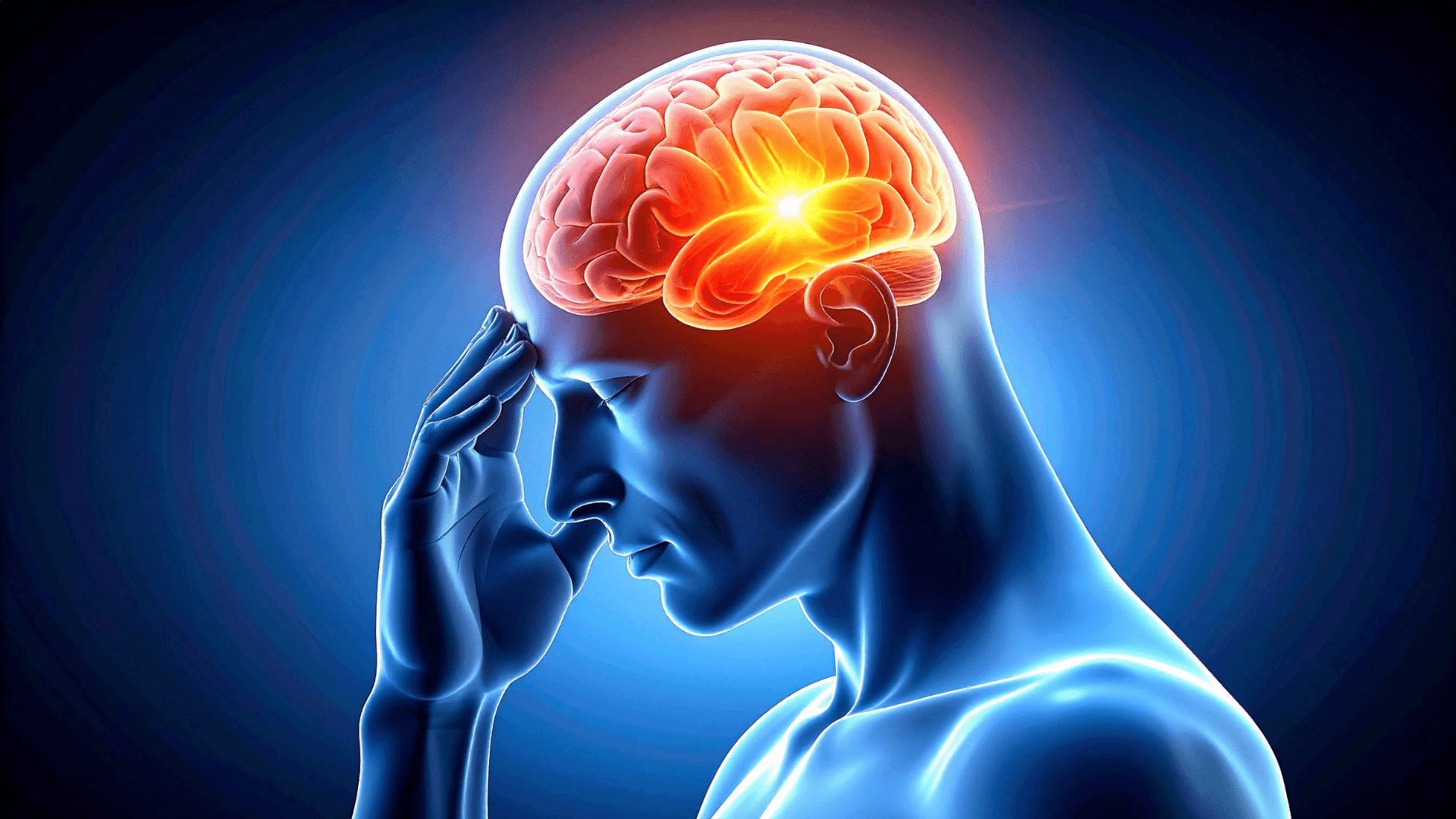
Smoking and Stroke: What Happens to the Blood Vessels
Smoking has a profound impact on health, and its link to the risk of stroke is not negligible. By understanding the mechanism through which smoking affects blood vessels, we can better recognize potential risks and learn how to protect ourselves. In this article, we will examine how smoking damages blood vessels, increases the risk of stroke, and the measures everyone can take to preserve their health.

Smoking and Damage to Blood Vessels
The Impact of Chemicals from Cigarettes
Cigarette smoke contains more than 7,000 chemicals, many of which are toxic and carcinogenic. When these substances enter the body, they affect the endothelium, the inner lining of blood vessels, causing inflammation and cell damage. This leads to atherosclerosis, a condition in which fatty deposits form in the blood vessels, responsible for narrowing the arteries. This narrowing reduces blood flow, and in some cases can trigger the formation of blood clots, which directly increases the risk of stroke.
The Connection Between Smoking and Blood Pressure
The properties of nicotine contribute to an increase in blood pressure. Smoking causes blood vessels to constrict, placing additional strain on the heart. Over time, this can lead to hypertension, further increasing the risk of cardiovascular diseases, including stroke.


Types of Stroke and How Smoking Influences Them
Ischemic and Hemorrhagic Stroke
There are two main types of stroke: ischemic and hemorrhagic. Ischemic stroke occurs when blood flow to the brain is blocked, often due to a blood clot that forms as a result of atherosclerosis. Smokers are up to 4 times more likely to experience an ischemic stroke.
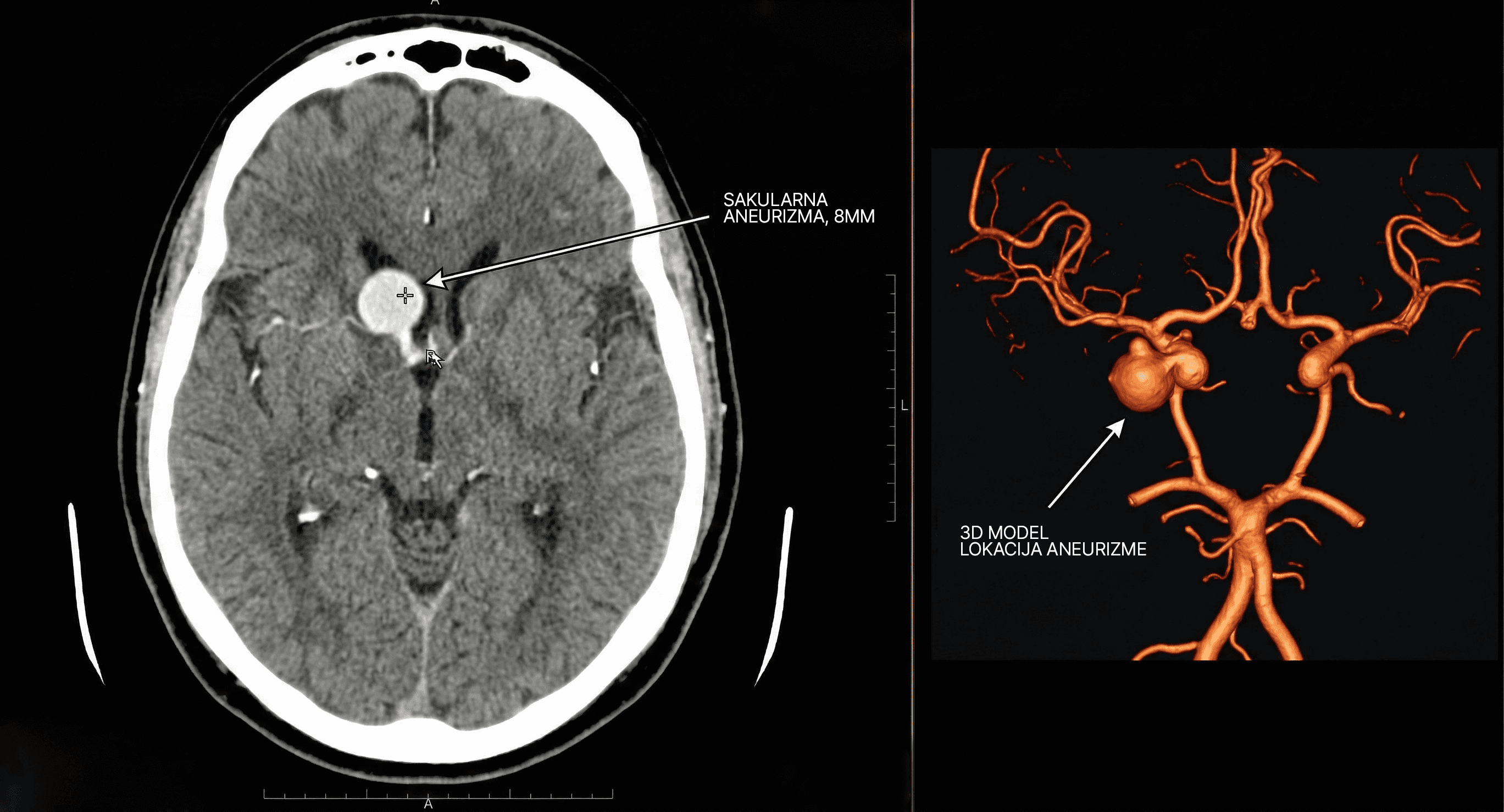
Hemorrhagic stroke occurs when a blood vessel in the brain ruptures, which can cause severe bleeding. Smoking can weaken blood vessels, making them more susceptible to damage and increasing the risk of this type of stroke.
Risk Statistics
Research shows that smokers have a two to four times higher risk of stroke compared to non-smokers. These alarming statistics highlight the importance of recognizing smoking as a key risk factor for this serious medical condition.
Recognizing the Symptoms
Spotting Key Symptoms
It is essential for everyone to know how to recognize the symptoms of a stroke to ensure a timely response. These include weakness on one side of the body, speech difficulties, and vision impairment. If you notice any of these symptoms, call emergency services immediately; the speed of your reaction can significantly reduce brain damage.
The F.A.S.T. Method
One of the most effective methods for rapid symptom assessment is the F.A.S.T. method:
F (Face): Ask the person to smile — asymmetry in their smile can indicate a problem.
A (Arms): Ask the person to raise both arms — weakness on one side can signal a stroke.
S (Speech): Ask the person to repeat a simple sentence — slurred speech is an alarm sign.
T (Time): If symptoms are present, call for emergency medical help immediately. Every minute matters.

Prevention and Risk Reduction
Smoking Cessation Strategies
For smokers, quitting is the most effective way to improve health and reduce the risk of a stroke. Numerous techniques are available, including nicotine replacement therapies and support programs. Finding a supportive community can be the key to success.
Maintaining a Healthy Lifestyle
In addition to quitting smoking, adopting healthy lifestyle habits is also crucial. A healthy diet, regular exercise, and managing blood pressure and blood sugar levels can significantly reduce the risk of a stroke. Focus on a diet rich in fruits, vegetables, and whole grains, as well as physical activity to improve your cardiovascular health and overall fitness.
The Importance of Education and Support
Organizations and Resources
Many organizations offer assistance and resources for individuals wishing to quit smoking. It is important to explore the options available in your local community, such as support groups or local health centers.
The Role of Healthcare Professionals
Healthcare professionals play a vital role in prevention and education. They can assist in identifying risks and advise patients on adopting a healthier lifestyle. Do not hesitate to contact them for guidance and support.
Smoking poses a serious health risk, significantly increasing the probability of suffering a stroke. Education regarding the link between smoking and cardiovascular health can help prevent this dangerous condition. Make a change in your habits, seek support, and protect your health.