Patient Care After a Stroke: How to Care for Your Loved One Without Experiencing Burnout
Your father was discharged from the hospital on Friday. By Monday, you already realized that he cannot get out of bed on his own, that his right arm does not respond to his will, and that he sometimes bursts into tears for no reason. No one ever explained how to handle this. Quite suddenly, you have become a caregiver.
This is how the story begins for thousands of families in Serbia. The majority of stroke survivors continue their recovery at home, and the largest share of caregiving falls upon spouses, children, and grandchildren. This guide is for you: what to expect, how to help without causing harm, where to seek assistance, and why your own health is not a secondary matter.

What changes in a person after a stroke
A stroke does not only damage the body. It also changes the way a person thinks, feels, and reacts, and this is often more difficult for the family to cope with than the physical paralysis itself.
The most common changes you will notice:
Physical: weakness or paralysis on one side of the body, balance issues, difficulty swallowing, and severe fatigue that does not improve even after sleep.
Speech and cognitive: difficulty finding the right words or understanding what you are saying, forgetfulness, and slower decision-making.
Emotional and behavioral: approximately half of stroke survivors experience depression or significant mood swings during recovery. Apathy, irritability, impulsivity, and uncontrolled crying or laughing are also common.
It is important to know this beforehand for one reason: when your mother gets angry with you for no reason, or your father refuses to do his exercises, it is usually not personal. It is a consequence of brain damage. Understanding this does not make the day any easier, but it helps prevent you from carrying guilt that is not yours.


How to care for a stroke patient: practical advice
Safe transferring and mobility
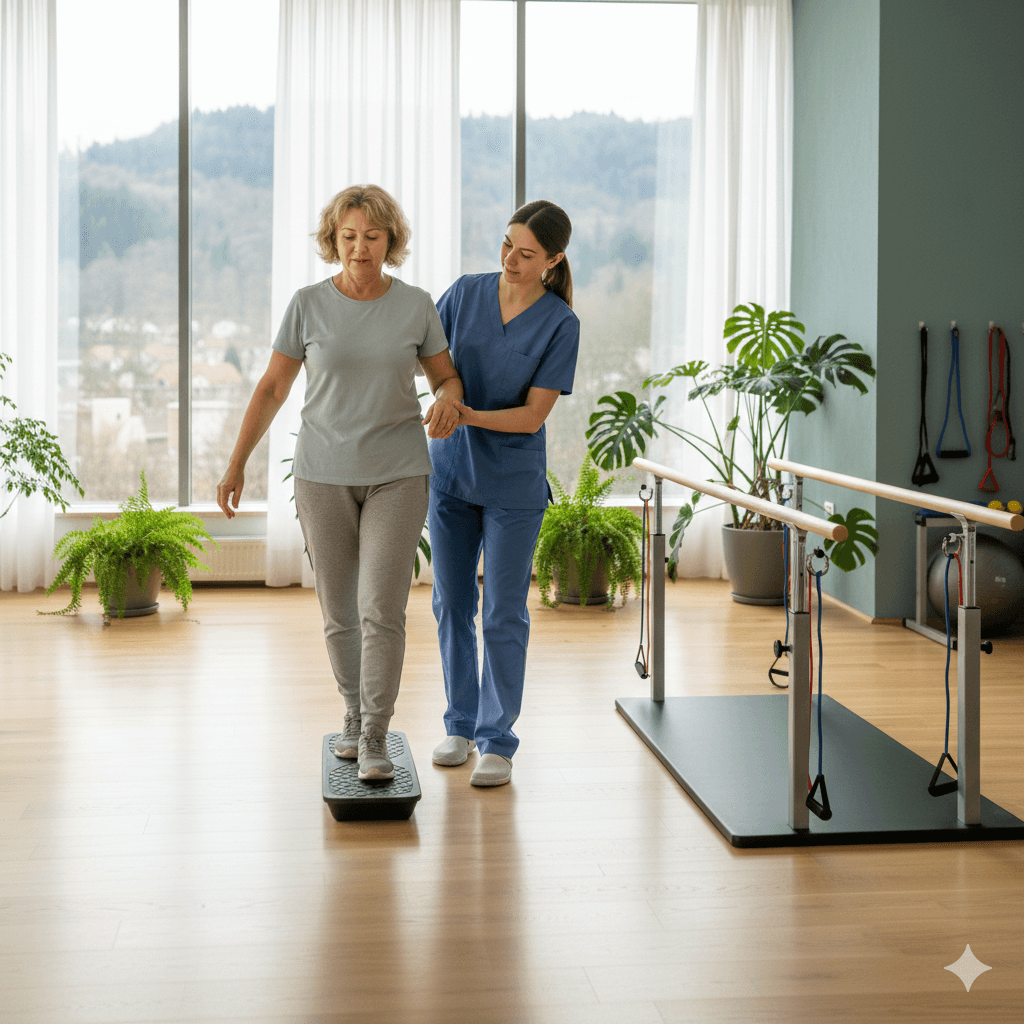
Lifting and transferring are the most common causes of back injuries for caregivers. Before hospital discharge, ask a physical therapist to demonstrate this live, and practice with them until you feel confident.
A few essential rules:
Never pull the patient by their weakened arm. The shoulder on the paralyzed side is easily injured, which can cause long-term pain.
Transfer the patient toward their stronger side, allowing them to participate in the movement.
Lift using the strength of your legs, not your back. Bend your knees and keep the patient close to your body.
If the home bed is too low, consider obtaining an adjustable hospital bed.
Fall prevention
A fall after a stroke can set recovery back by several months. Remove rugs and electrical cords from walkways, leave a dim light on at night, and install grab bars in the bathroom along with a shower chair.
Nutrition and swallowing difficulties
If the patient coughs or chokes while eating or drinking, inform their doctor. Difficulty swallowing is a common issue after a stroke and can lead to pneumonia if food or liquid enters the airways. A speech-language pathologist can assess swallowing ability and recommend the appropriate food texture and liquid consistency.
Medication management
Post-stroke medical therapy is designed to prevent a recurrent stroke. Create a simple schedule, use a daily pill organizer, and never discontinue medications without consulting a physician, even if the patient appears to be feeling well.
How to recognize a recurrent stroke
As a caregiver, you are the first person who will notice if something is wrong. The risk of a recurrent stroke is highest during the first few months, and you must know the warning signs by heart:
facial drooping or an uneven smile
sudden weakness in an arm or leg
slurred speech or difficulty understanding language
sudden loss of vision, severe headache, or dizziness
If you notice any of these symptoms, call emergency services immediately and note the exact time the symptoms began. Every minute is critical.

Signs That You Are Experiencing Burnout
For caregivers, exhaustion does not set in all at once. It builds up gradually, until one day you realize you have been running on empty for months.
Pay attention if you notice any of the following in yourself:
fatigue that does not improve even after resting
insomnia or waking up with a sense of dread
irritability toward the person you are caring for, followed by feelings of guilt
loss of interest in things you once enjoyed
a feeling that you are completely alone in this journey
frequent headaches, back pain, or more frequent colds
If this describes your daily life, it is not a sign of weakness. It is a clear signal that you need support, just as the patient needed it after their stroke.
How to Protect Yourself
Ask for specific help. The phrase "let me know if you need anything" rarely translates into actual assistance. Instead, say to your sibling: "Can you stay with father every Saturday from 10 AM to 2 PM?" People find it easier to help when they know exactly what is needed and when.
Take one hour for yourself every day. Go for a walk, have coffee with a friend, or do anything unrelated to caregiving. This is not selfish; it is essential to sustaining yourself through a long recovery process.
Sleep whenever possible. Lack of sleep is the quickest way to deplete your patience and physical strength.
Talk to someone. The updated 2026 American rehabilitation guidelines emphasize that supporting caregivers is just as important as supporting the survivor, as it aids the recovery of both. If you feel you are struggling, speak with your primary care physician about your own well-being, not just the patient's.
Set boundaries. It is acceptable that you cannot do everything. It is acceptable to admit that you are struggling. A completely depleted caregiver cannot help anyone.
Frequently Asked Questions by Caregivers
How long does recovery take after a stroke?
The most significant progress is typically observed within the first six months, but improvements can continue for years. Every recovery process is unique.
Is it normal for the person to cry or laugh for no apparent reason?
Yes, this is a common consequence of a stroke and does not always indicate that the person is sad or happy. Inform their physician, as there are therapies available that can help.
Should I do everything for them?
No. As long as it is safe, allow the person to do what they can on their own, even if it takes longer. Maintaining independence is a vital part of rehabilitation.
What if I can no longer cope?
Speak with your primary care physician and social services about additional support options. Seeking help is a key component of proper care, not a sign of giving up.