Pricking earlobes with a needle and other stroke myths that waste precious time
Sunday afternoon. Suddenly, grandfather drops his fork at the table, his mouth droops to one side, and his speech becomes slurred. Someone from the kitchen shouts to bring a needle to prick his earlobes. Someone else suggests giving him an aspirin and letting him lie down, saying it will pass.
Scenes like this still happen in many homes today. People want to help, but while someone is looking for a needle, the brain is losing cells. When it comes to a stroke, first aid is simple: call 194 immediately. Everything else, including well-intentioned folk remedies, only wastes precious, irreplaceable minutes.
On the occasion of World Stroke Day, October 29, we examine the most common myths families still encounter today and explain what you actually need to do.

Why Every Minute Counts
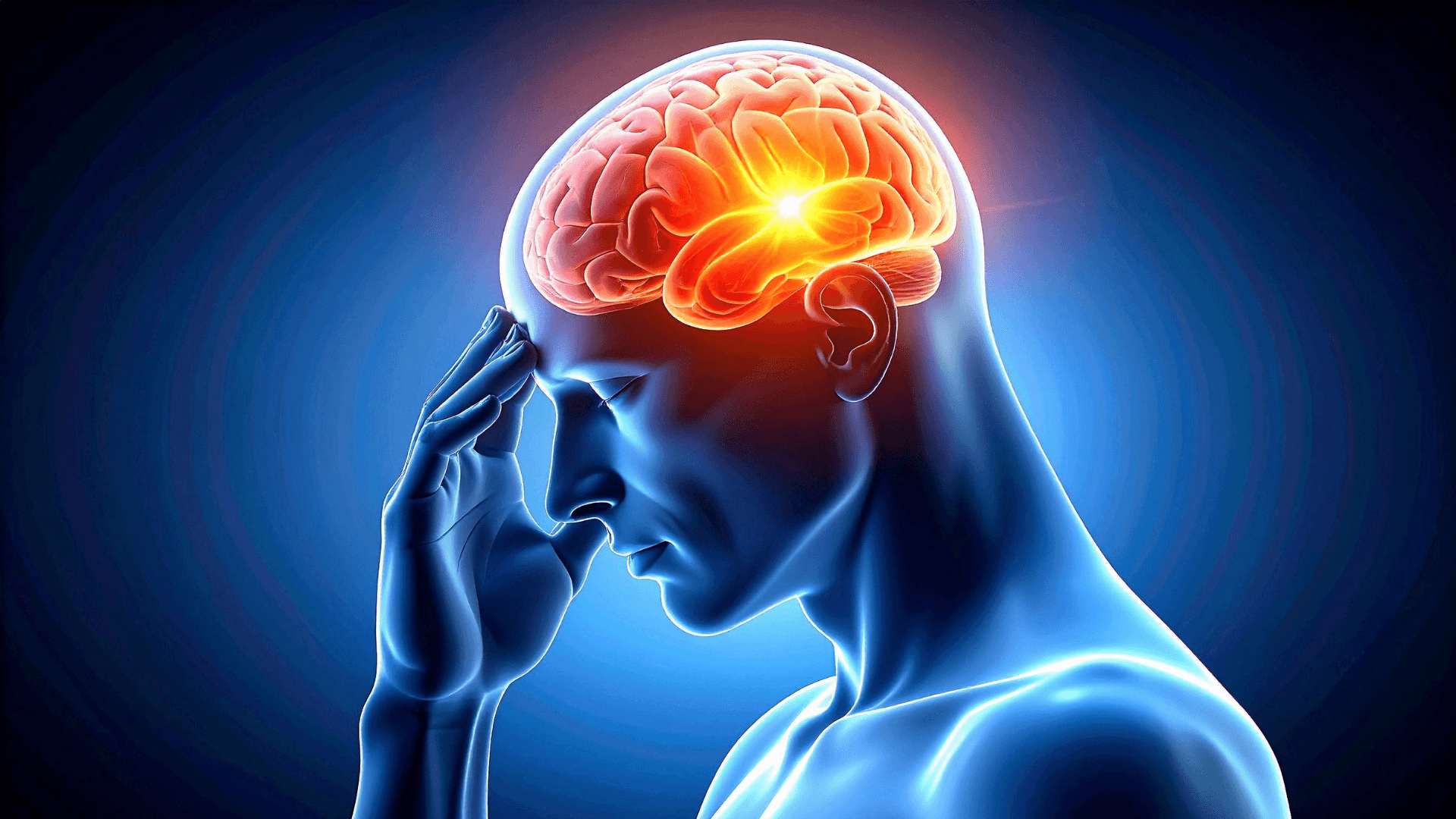
In the most common type of stroke, an ischemic stroke, a blood clot blocks a blood vessel, depriving part of the brain of blood and oxygen. An estimate published in the journal Stroke states that in a typical untreated stroke, approximately 1.9 million nerve cells are lost every minute. That is why doctors say "time is brain."
Treatment exists, but it is strictly tied to the clock. Medication that dissolves the clot is typically administered within the first 4.5 hours from the onset of symptoms. In cases of a large blood vessel blockage, the clot can sometimes be removed using a catheter, and newer American guidelines permit this procedure in carefully selected patients up to 24 hours. In both cases, the earlier, the better. Before any medication can be given, a brain scan must be performed, as this is the only way to determine whether it is caused by a clot or bleeding.
Myth 1: Pricking the ears or fingers with a needle "revives" the person
This advice has circulated for generations and, in recent years, via mobile messaging. The idea is that pricking the earlobes or fingertips with a needle and squeezing out a drop of blood will make the patient better.
There is no reliable evidence that this helps with a stroke. The Beijing health authorities, where this advice allegedly originated, have publicly declared it unfounded and warned that sudden bloodletting can cause a drop in blood pressure and accelerate the destruction of brain cells. In addition, pricking with a non-sterile needle carries a risk of infection.
The greatest harm, however, is not the needle itself, but lost time. While searching for a needle, pricking the skin, and waiting to see if there is improvement, precious minutes pass during which the patient could have been on their way to the hospital.
Myth 2: Let's wait for it to pass on its own
Sometimes symptoms really do resolve in a few minutes. The arm works again, speech returns. The family breathes a sigh of relief, and no one calls a doctor.
This may be a mini-stroke, also known as a transient ischemic attack (TIA). It is a warning, not a relief. The risk of a full stroke is highest within the first 24 to 48 hours following such an episode, and the American Heart Association and American Stroke Association (AHA) state that even symptoms that disappear in less than an hour require emergency medical evaluation. While symptoms are ongoing, even a physician cannot know whether they will resolve or not.
Therefore, the same rule applies: if symptoms appear, call emergency services immediately, even if they have disappeared in the meantime.
Myth 3: Give them an aspirin
Aspirin thins the blood, leading many to believe it will help. The problem is that at home, no one can know whether the stroke is caused by a clot or bleeding in the brain. The symptoms look identical. If it is caused by bleeding, a blood-thinning medication can make it significantly worse.
Doctors administer aspirin and other medications only after a brain scan reveals which type of stroke is occurring. Until then, do not give the patient any medications—not aspirin, not blood pressure medication, nor "something to calm them down."


Myth 4: Give them water, brandy, or something sweet
A stroke often impairs the ability to swallow without the patient or their family being aware of it. A sip of water can enter the airway and cause choking or pneumonia. Brandy, coffee, and sugar do not treat a stroke and can mask or complicate the condition.
While waiting for emergency services, do not give the patient anything by mouth.
Myth 5: It is faster to drive them ourselves
This may seem logical, but it carries serious risks. In a personal vehicle, no one can help if the patient vomits, loses consciousness, or stops breathing. The Mayo Clinic and other major medical institutions advise against driving the patient yourself; instead, call emergency medical services. The paramedic team can administer care en route and transport the patient to a facility equipped to treat stroke.
If the emergency dispatcher gives you different instructions, follow their guidance.
Myth 6: If it doesn't hurt, it's nothing serious
A stroke often causes no pain. People expect a severe headache, but instead experience numbness, weakness, or speech difficulties without any pain at all. This is precisely why people often delay seeking help. A sudden, severe headache—the worst headache of your life—is an alarm signal, but the absence of pain does not mean everything is fine.
Myth 7: Stroke is an illness of the elderly
While risk increases with age, a stroke can strike younger people and even children. Younger individuals and their families often attribute symptoms to fatigue, migraine, or stress, delaying emergency calls. Age is never a reason to wait.
Stroke first aid: what you should actually do
How to recognize a stroke
Check for these signs. They all appear suddenly:
Face: Ask the person to smile. Does one side of the mouth droop?
Arms: Have them raise both arms in front of them. Does one arm drift downward or fail to rise?
Speech: Ask them to repeat a simple sentence. Is their speech slurred, or do they have difficulty understanding what you say?
Balance: Sudden dizziness, staggering, or a fall.
Eyes: Sudden loss of vision in one or both eyes, or double vision.
Just one of these signs is enough to call 194 immediately.
What to do while waiting for emergency services
Call 194 and state that you suspect a stroke.
Check the time and note when the symptoms began, or when the person was last seen well. This information is critical for physicians when determining treatment.
Do not leave the person alone. Loosen any tight clothing around their neck.
If conscious, have them sit or lie calmly with their head slightly elevated. If they are vomiting or drowsy, turn them onto their side to prevent choking.
Do not give them anything to eat, drink, or any medications.
Prepare a list of the medications the person is taking—especially blood thinners—along with their health insurance card.
If the person loses consciousness and stops breathing, the emergency dispatcher will guide you through CPR.

Frequently Asked Questions
Does pricking the earlobes help during a stroke?
No. There is no evidence that this helps; it can lower blood pressure, cause an infection, and causes the most harm by delaying a call to emergency services.
Should aspirin be given during a stroke?
Not before arriving at the hospital. A stroke can be caused by bleeding, which aspirin can worsen. Doctors decide on medications only after a brain scan.
What should be done if stroke symptoms resolve on their own?
Still call emergency services immediately or go straight to the emergency room. A transient stroke is a warning sign, and the risk of a major stroke is highest within the first two days.
How much time is there to treat a stroke?
Clot-busting medication is most commonly administered within the first 4.5 hours, and clot removal procedures can be performed even later in selected patients. However, every minute counts, so do not wait.
Should a stroke patient be laid flat?
Keep them in a comfortable position, sitting or lying down with the head slightly elevated. If they are vomiting or losing consciousness, turn them onto their side.
Can a stroke occur in young people?
Yes. Although the risk increases with age, a stroke can happen at any age. Symptoms should never be dismissed as fatigue or stress.
This text is for informational purposes only and does not substitute for professional medical evaluation. If you suspect a stroke, call emergency services immediately.
Sources