How to cope with the loss of independence after a stroke
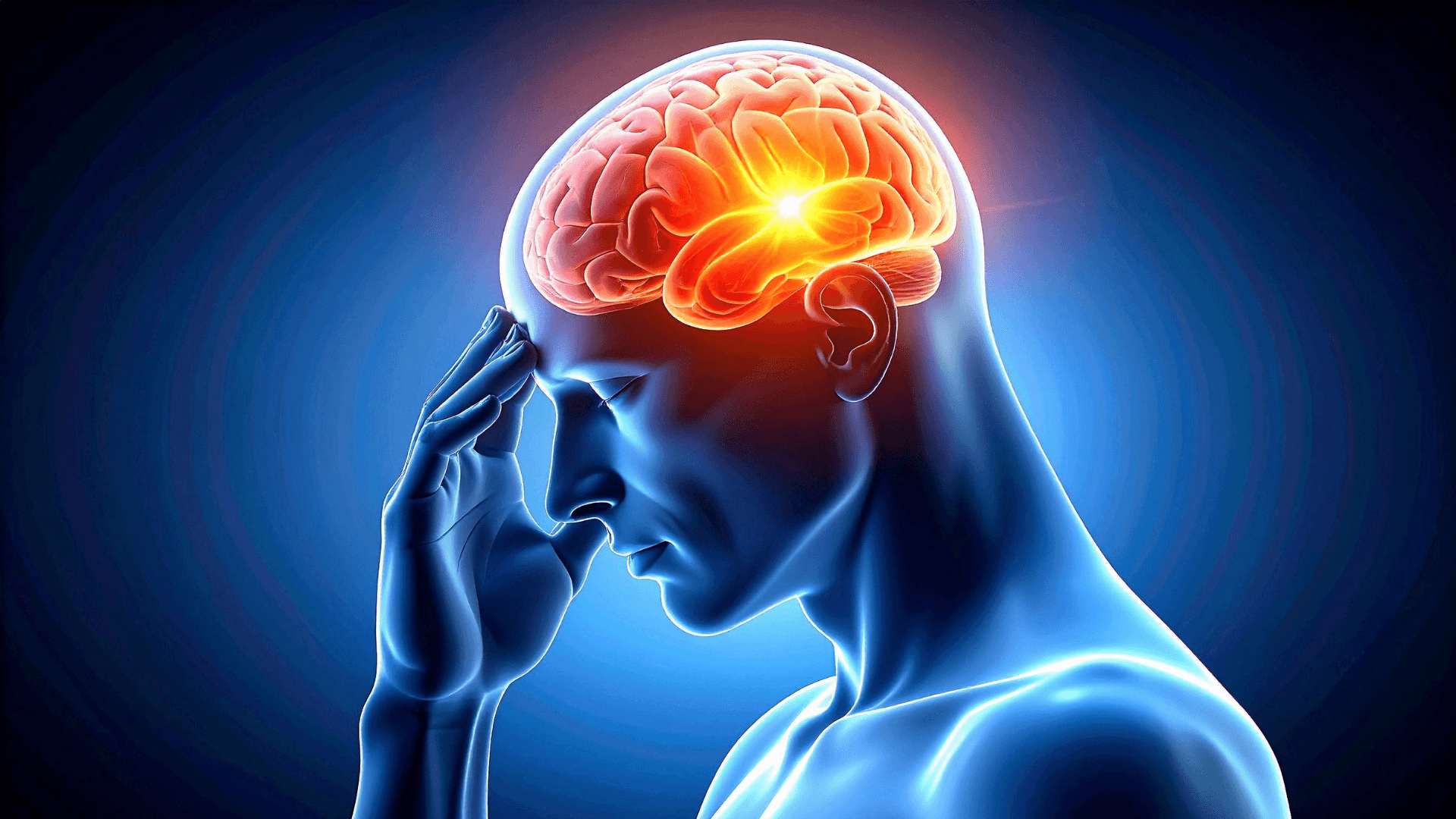
Loss of independence after a stroke represents a major challenge for both patients and their families. This process encompasses not only physical difficulties but also emotional struggles that can significantly affect the quality of life. Many patients face feelings of inadequacy, dependence on others, and difficulty functioning in daily activities that were once routine.
In this text, we will provide insight into various aspects related to the loss of independence and offer practical advice that can be of benefit to both patients and their families. Understanding the empathy and the struggle that these individuals go through is crucial for building resilience and regaining independence.

Understanding the Loss of Independence
What Does the Loss of Independence Mean?
Loss of independence can be defined as the inability to perform daily activities without the assistance of others. This can include personal hygiene, meal preparation, movement, and maintaining social contacts. When patients lose this ability, they often feel helpless and isolated.
A stroke can significantly affect physical abilities, causing weakness or paralysis on one side of the body, making it difficult to perform daily tasks. Additionally, mental changes, including problems with attention, memory, and communication, can further complicate the situation.
A Profound Impact on Daily Life
The loss of independence affects various aspects of daily life. Simple tasks, such as showering, dressing, or going to the grocery store, become major challenges. These issues affect not only the physical sphere but also social interactions, which can lead to feelings of loneliness, depression, and anxiety.
Emotional well-being can be seriously compromised, and patients often struggle with feelings of shame or frustration regarding their current condition.


The Acceptance Process
Emotional Stages
Accepting the loss of independence can be exceptionally difficult. Throughout this process, patients typically go through several emotional stages: denial, anger, bargaining, depression, and ultimately, acceptance. Each of these stages significantly impacts self-esteem and the ability to adapt to new circumstances.
Denial sometimes makes it difficult to recognize reality, while anger can provoke resentment toward oneself and others. During the bargaining stage, patients often contemplate alternative outcomes, while depression can diminish the motivation required for rehabilitation.
Acceptance Techniques
A variety of techniques can assist in the acceptance process, including meditation and deep breathing exercises. These practices reduce stress and anxiety, creating space for constructive thinking. Additionally, the support of family and friends is of critical importance, as it provides vital emotional understanding and encouragement.
Rehabilitation and Support
The Role of Therapy
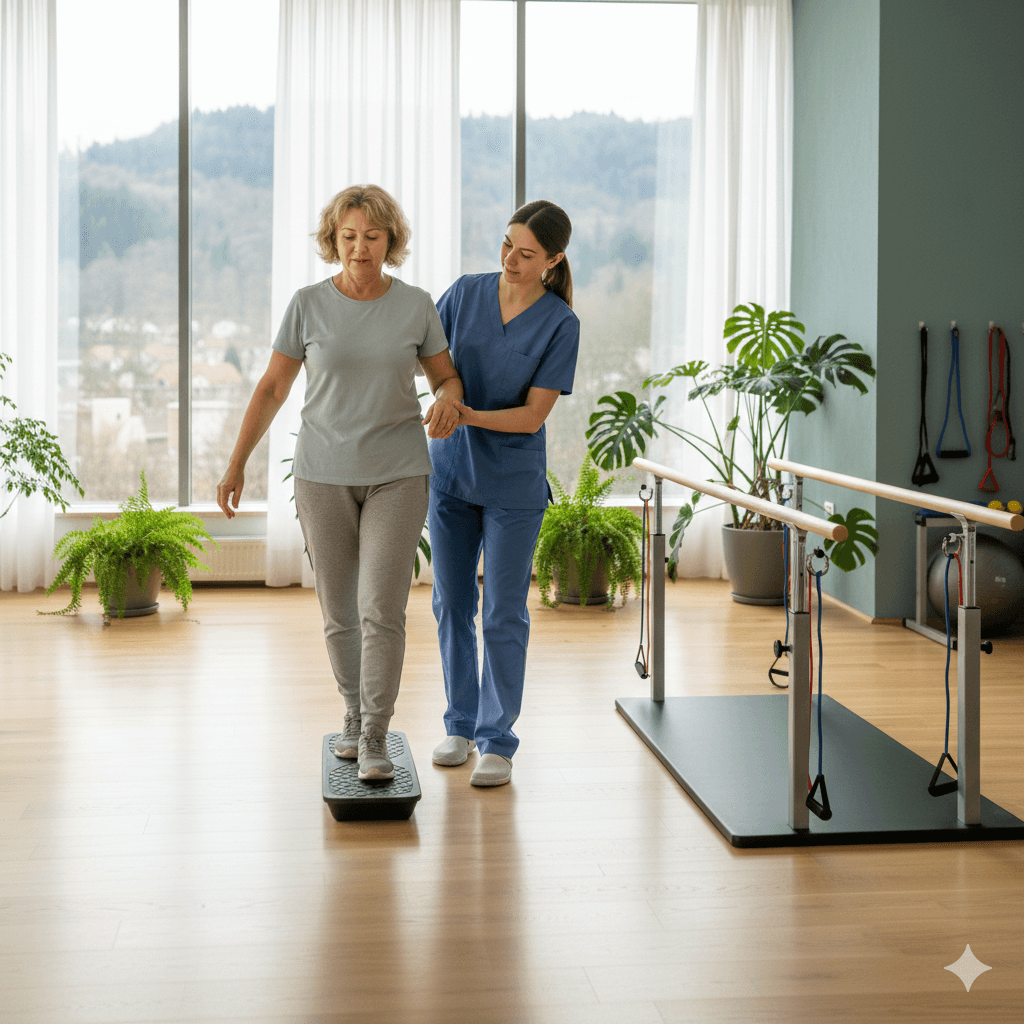
Rehabilitation plays a crucial role in restoring independence after a stroke. There are several types of therapies that can significantly contribute to recovery: physical therapy focuses on strengthening muscles and improving mobility; occupational therapy helps in relearning how to perform daily activities, while speech therapy supports patients experiencing communication difficulties.
Each of these therapies contributes substantially to the recovery process and the restoration of a sense of independence.
Accessing Resources
In Serbia, numerous organizations and support groups offer assistance to stroke survivors and their families. It is essential to seek information regarding local rehabilitation centers and therapists who can provide the necessary care. Organizations dedicated to health awareness and patient advocacy, as well as the Red Cross or local social work centers, can offer additional support.

Adaptive Tools and Strategies
Flexible Tools and Technologies
There is a range of tools and technologies that can facilitate the daily lives of patients. For example, wheelchairs, crutches, and adaptive mobility devices can be of great benefit. Additionally, technology offers solutions such as communication-assisting applications or smart devices that help manage daily activities.
Managing Daily Challenges
Adapt your living space to improve mobility, remove obstacles, and install secure handrails in the bathroom and on stairways. Organizing daily routines can be highly beneficial; set small, achievable goals to help you maintain a sense of accomplishment.
Building Emotional Resilience
Developing a Positive Outlook
Working to strengthen self-confidence is of essential importance. Set small, achievable goals and celebrate every accomplishment to build a positive outlook. Although this process can be challenging, consistent effort leads to significant improvements in the quality of life.
Connecting with Others
Group support can significantly impact emotional well-being. Join support groups where you can share your experiences with individuals facing similar challenges. Success stories can be inspiring and provide hope that independence can be rebuilt.
The loss of independence following a stroke represents a serious challenge that requires a great deal of patience, support, and resources. Understanding the causes, accepting the new situation, implementing rehabilitation programs, and building emotional resilience are key factors in regaining independence.
Any form of support, whether from personal or professional sources, can significantly contribute to recovery. It is important to know that you are not alone and that the community can play a meaningful role on your path toward independence.