Hemorrhagic and Ischemic Stroke: Key Differences and Treatment
Hemorrhagic and ischemic strokes represent two different forms of stroke that have serious consequences for patient health. In Serbia, approximately 20,000 new cases are registered each year, highlighting the importance of understanding these conditions. This text will cover the key differences between hemorrhagic and ischemic strokes, their causes, symptoms, and treatment options, including the modern method of mechanical thrombectomy.

Understanding Stroke
What is a Stroke?
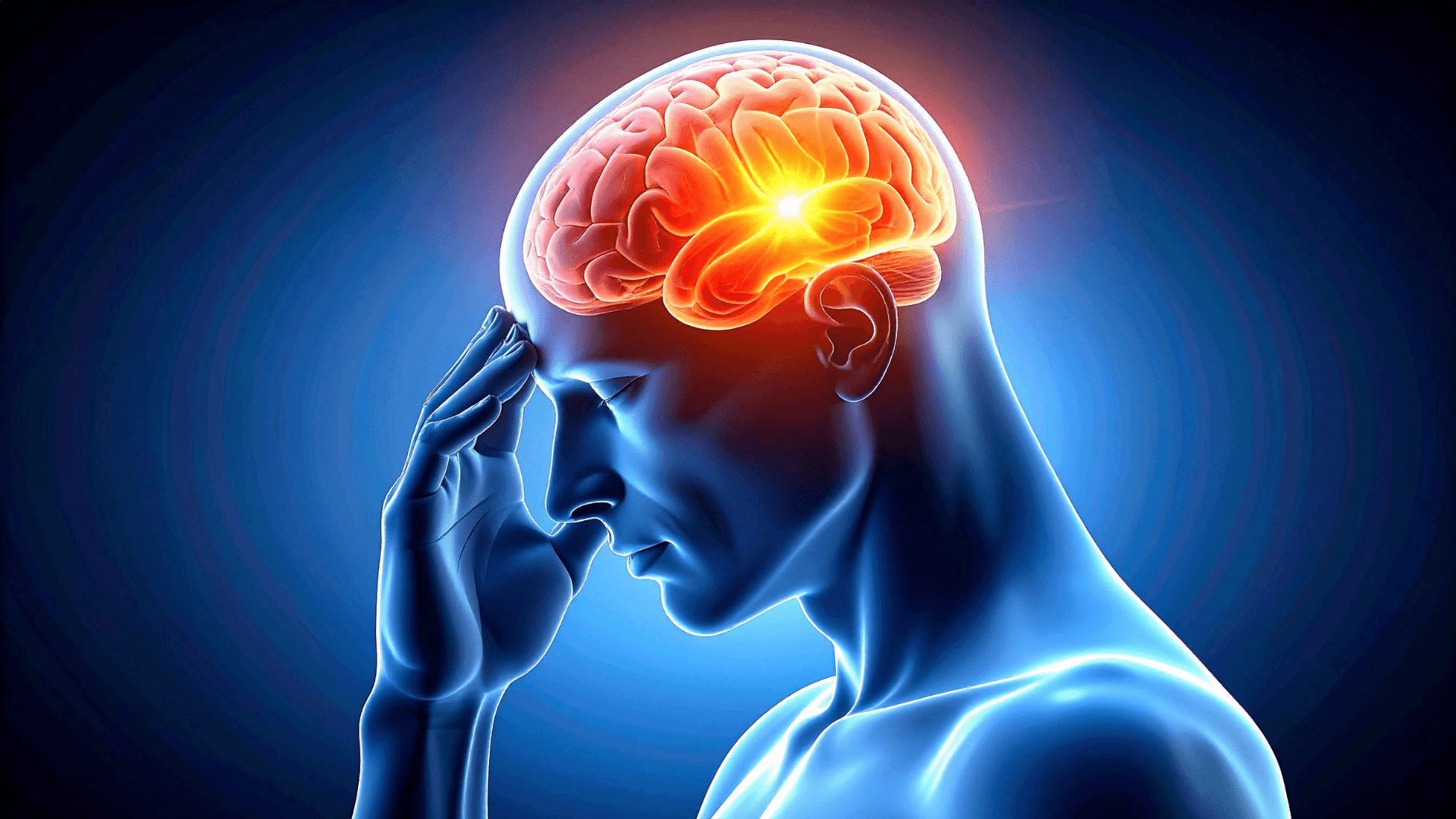
A stroke, also known as a cerebrovascular accident, occurs when blood flow to the brain is disrupted. This can lead to severe damage to brain cells. Every patient can experience different symptoms, and timely medical assistance is crucial for preserving bodily functions and quality of life.
Types of Stroke
Ischemic Stroke
Ischemic stroke is the most common type, accounting for approximately 87% of all cases. It most frequently occurs when a blood clot blocks a blood vessel in the brain, which can be the result of narrowing or an embolism.
Hemorrhagic Stroke
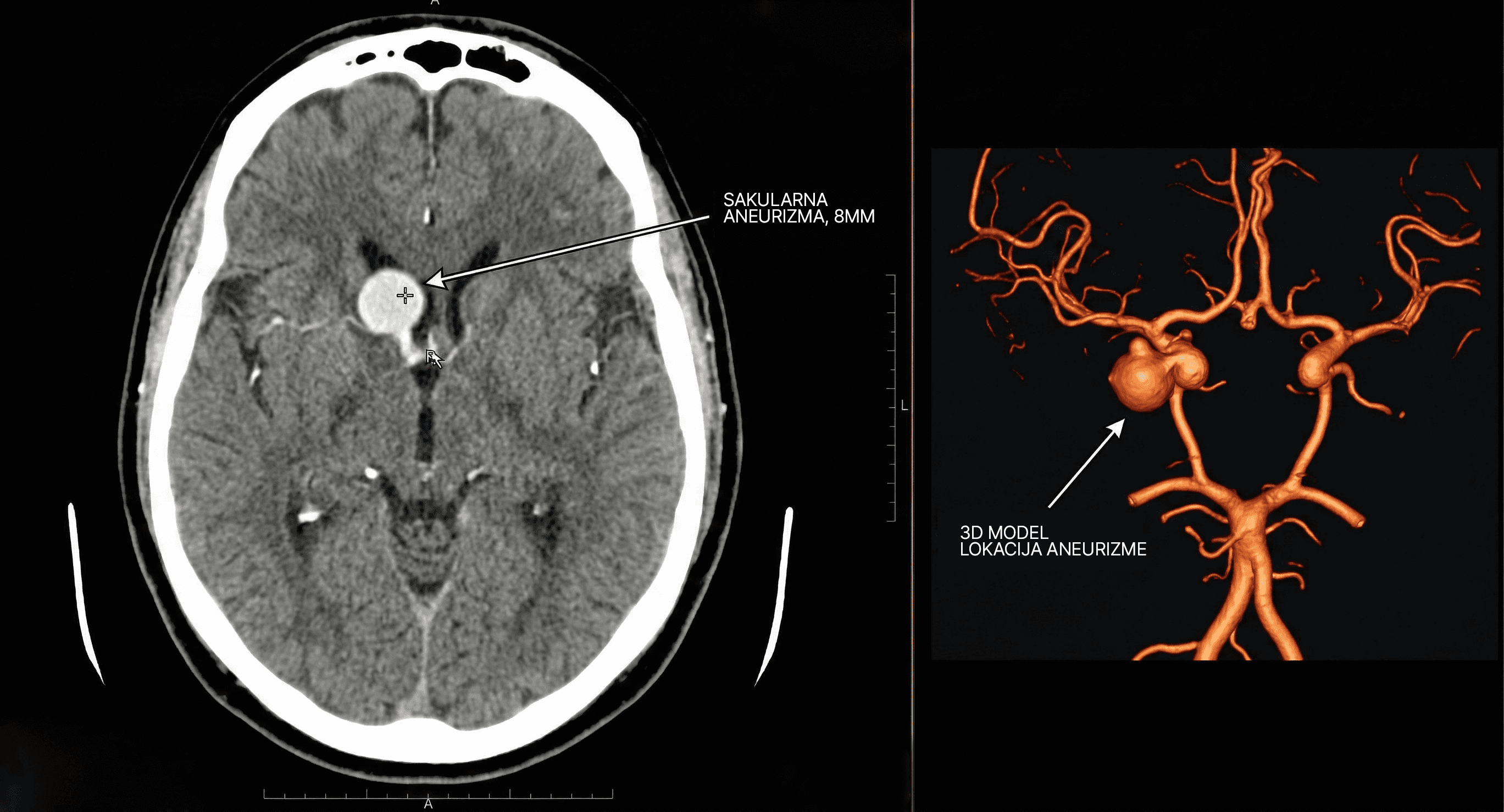
Hemorrhagic stroke occurs when a blood vessel in the brain ruptures, causing bleeding within or around the brain. The main causes include high blood pressure and aneurysms. This type of stroke requires immediate attention due to potentially catastrophic consequences.


Key Differences Between Hemorrhagic and Ischemic Stroke
Causes
The fundamental differences between hemorrhagic and ischemic stroke stem from their underlying causes. An ischemic stroke typically occurs as a result of a blood vessel obstruction, whereas a hemorrhagic stroke is caused by the rupture of a blood vessel.
Symptoms
Although the symptoms can be similar, there are specific differences. An ischemic stroke often manifests as a sudden loss of strength or numbness, whereas a hemorrhagic stroke can cause a severe headache, vomiting, and loss of consciousness. Prompt recognition of these symptoms is essential for proper treatment.
Risk Factors
Both types of stroke share common risk factors, such as age, smoking, obesity, and diabetes. Additionally, ischemic strokes are often associated with high cholesterol levels and hypertension, whereas hemorrhagic strokes largely result from elevated blood pressure.
Diagnosis
How is a Stroke Diagnosed?
A rapid and effective diagnosis forms the foundation of successful treatment. Doctors most commonly utilize CT scans or MRI imaging to identify obstructions or bleeding. Various diagnostic tests can assist in understanding the specific causes.
Differences in the Diagnostic Process
Diagnostic approaches vary depending on the type of stroke. For an ischemic stroke, thrombolytic therapy is utilized, whereas a hemorrhagic stroke requires rapid management of the bleeding.
Treatment
Treatment of Ischemic Stroke
The primary goal of treating an ischemic stroke is the rapid restoration of blood flow. This may involve the administration of intravenous thrombolytic medications or mechanical thrombectomy, which is discussed in greater detail below.
Treatment of Hemorrhagic Stroke
In the case of a hemorrhagic stroke, immediate medical intervention is mandatory to control the bleeding. In many cases, surgical procedures are required to repair the blood vessels, alongside additional medical therapy to manage intracranial pressure.
Rehabilitation
Post-stroke rehabilitation is crucial for patient recovery. Physical, occupational, and speech therapy enable patients to regain their functions and adapt to their new circumstances.

Mechanical Thrombectomy: A Modern Method for Treating Ischemic Stroke
Mechanical thrombectomy is a minimally invasive procedure in which a blood clot is physically removed from a blocked artery in the brain. Today, it represents one of the greatest advancements in the treatment of ischemic stroke, as it significantly increases the chances of recovery and independent living after a stroke in properly selected patients.
How is a Mechanical Thrombectomy Performed?
The procedure is performed in an angiosuite by an interventional neuroradiologist. A thin catheter is introduced through an artery in the groin or wrist and guided to the site of the blockage in the brain under X-ray control. The clot is then removed using a special stent retriever that captures and pulls it out, or by aspiration (suction) through the catheter. There is no incision on the head, and blood flow is often restored during the intervention itself.
Who is Mechanical Thrombectomy Intended For?
Mechanical thrombectomy is intended for patients with ischemic stroke in whom a clot has blocked one of the major brain arteries. Before deciding on the intervention, a CT scan and a CT angiography are performed to confirm that there is no bleeding and to precisely determine the location of the blockage. For this reason, this method is not an option for hemorrhagic stroke.
The Time Window: Why Speed is Crucial
The best results are achieved when thrombectomy is performed as early as possible, usually within the first six hours from the onset of symptoms. In carefully selected patients, based on advanced brain imaging, the procedure can be performed up to 24 hours after the onset of the stroke. It is estimated that a brain deprived of blood flow loses about two million nerve cells per minute, which is why every minute to the hospital is vital.
Mechanical Thrombectomy and Thrombolysis
Thrombectomy and thrombolytic therapy are not mutually exclusive. When eligible, the patient first receives a thrombolytic drug intravenously and is then referred for a thrombectomy. In patients who cannot receive thrombolysis, for example, due to anticoagulant therapy or recent surgery, thrombectomy may be the only way to open the blocked blood vessel.
Risks and Recovery After Thrombectomy
Like any intervention, mechanical thrombectomy carries certain risks, such as bleeding in the brain, blood vessel damage, or complications at the puncture site. However, in properly selected patients, the benefits significantly outweigh the risks. After the procedure, the patient is monitored in the stroke unit, and rehabilitation begins as early as possible.
Prevention
Lifestyle Changes
A healthy lifestyle can significantly reduce the risk of stroke. Incorporating a healthy diet, physical activity, and quitting smoking are key steps toward prevention.
Control of Risk Factors
Proper management of blood pressure, blood sugar, and cholesterol levels is of essential importance. Regular check-ups and consultations with a physician can help identify and manage risk factors.
In the context of hemorrhagic and ischemic stroke, the distinct characteristics of these conditions are clearly highlighted, emphasizing the need for timely recognition of symptoms and action in accordance with expert recommendations. Education and awareness of these issues play a key role in reducing the incidence of strokes.