Where Stroke is Treated in Serbia: On-Call Medical Facilities by City
It is three o'clock in the morning. Your husband got up to use the bathroom, came back, and tried to say something, but the words wouldn't come out. His right arm is hanging limp. You are already searching for your car keys, wondering which hospital to drive to.
Knowing where a stroke is treated is crucial, but the first step is simpler than you might think: pick up the phone and dial 194. The emergency medical team will assess the patient's condition and determine the appropriate facility. This text explains how the hospital network functions, helping you understand why an ambulance might drive past the nearest hospital, or conversely, why it might stop there first.

Why Where a Stroke Is Treated Matters
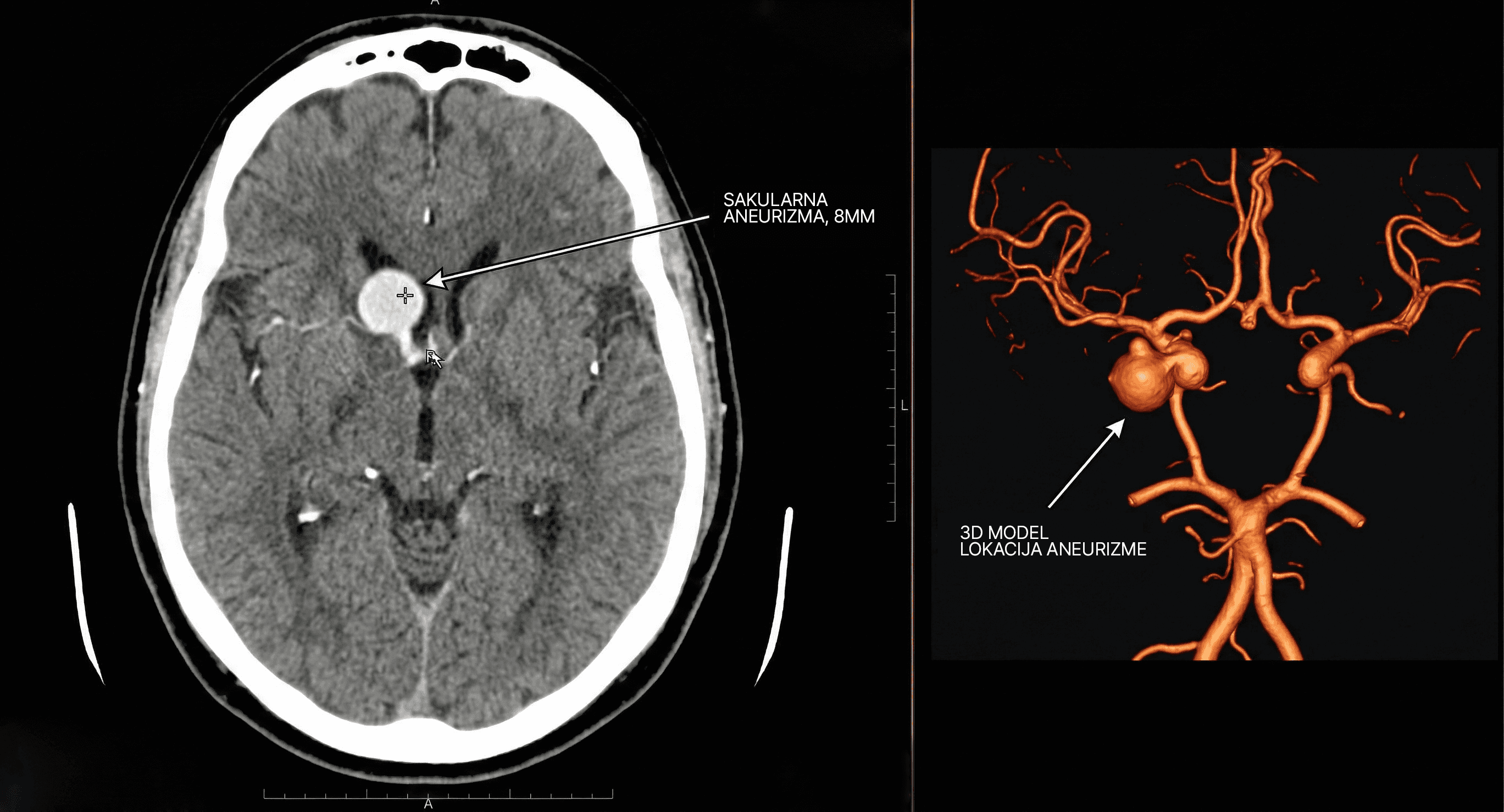
Most strokes occur when a clot blocks a blood vessel in the brain. This type of stroke is called an ischemic stroke. There are two types of emergency treatment available for it:
Thrombolysis: medication administered via an infusion to dissolve the blood clot. It must be initiated within the first 4.5 hours of symptom onset—the earlier, the better.
Thrombectomy: a procedure to mechanically remove the clot from the blood vessel in the brain. In carefully selected patients with a blockage in a large blood vessel, this can be effective up to 24 hours from the time they were last known to be well.
Thrombolysis can also be administered by hospitals that are not tertiary clinical centers, whereas thrombectomy is performed exclusively in clinical centers. For this reason, it is critical that the patient is directed to the appropriate facility from the very beginning.
On-Call Facilities by City
In Serbia, thrombectomy is performed in clinical centers across four cities:
City | Institutions |
|---|---|
Belgrade | Clinical Center of Serbia (Emergency Center), Saint Sava Hospital, Military Medical Academy (VMA) |
Novi Sad | Clinical Center of Vojvodina |
Niš | Clinical Center Niš |
Kragujevac | Clinical Center Kragujevac |
Addresses and contact phone numbers for these institutions can be found at mozdaniudar.rs/dezurne-ustanove.
How the On-Call System Operates in Belgrade
Three Belgrade institutions rotate on a scheduled basis, ensuring that one facility is on call for stroke emergencies each day. This schedule can change due to local circumstances, such as when a department is placed under quarantine due to the flu. Therefore, do not rely on printed schedules or information heard in previous months. Check the current on-call institution for today at mozdaniudar.rs/dezurne-ustanove.
Emergency medical services receive the on-call schedule monthly. If a patient arrives at a facility that is not on call that day, approximately an additional hour is lost.
Hospitals Surrounding Belgrade
There are hospitals in the vicinity of Belgrade that can administer thrombolysis, but do not perform thrombectomy. These include the general hospitals in Pančevo, Požarevac, and Smederevo.


How Emergency Medical Services Choose a Hospital
In Serbia, emergency medical teams include doctors. The team evaluates the patient's condition and, if a stroke is suspected, can consult with an on-duty neurologist. Two referral pathways are recommended, depending on how far the thrombectomy center is:
Directly to the center: If the comprehensive stroke center is less than about an hour's drive away, the patient is transported directly there.
Via the nearest hospital: If the center is further away, the patient is taken to the nearest local hospital. A CT scan is performed there, clot-busting medication (thrombolysis) is administered if necessary, and if a thrombectomy is also required, the patient is transferred to the specialized center while receiving the infusion. In the case of a minor stroke, the patient remains at the local hospital.
Transferring from one hospital to another takes an hour to an hour and a half. However, if a local hospital admits you first, it does not mean a mistake was made. This ensures the patient receives an urgent scan and medication as quickly as possible.
What to Do if Emergency Services Cannot Arrive Quickly
In smaller towns, there are sometimes very few ambulance crews for the entire area, and they may all be out responding to calls. Ask the emergency dispatcher at 194 how long the wait will be. If the ambulance cannot arrive promptly, do not wait—transport the person yourself:
Go directly to the nearest designated on-duty medical facility listed on the website, rather than the first hospital that comes to mind.
Notify emergency services (194) about which hospital you are driving to, so the medical team there can prepare for your arrival.
Ensure that someone else drives, never the person experiencing symptoms.
What to Say Upon Arrival
The most critical piece of information the family can provide is the time the symptoms started. The available treatment options depend entirely on this. If the person woke up with symptoms or you found them in that state, state when they were last known to be completely well. The treatment window is calculated from that moment.
Over the phone, you do not need to use medical terminology. Simply describe what you observe: the person cannot speak, cannot move one side of their body, or one side of their face is drooping. The dispatcher will ask the necessary questions.
If easily accessible, bring the patient's identification documents and a list of their current medications. However, do not waste time searching for them. Time is far more critical than paperwork.

Frequently Asked Questions
Where is thrombectomy performed in Serbia?
At the clinical centers in Belgrade, Novi Sad, Niš, and Kragujevac.
Which hospital is on duty for stroke in Belgrade today?
Institutions rotate according to an on-duty schedule that is subject to change. Please check mozdaniudar.rs/dezurne-ustanove. If you call 194, emergency medical services will select the appropriate facility for you.
Does every hospital treat stroke?
Not every hospital provides all types of treatment. Some hospitals administer thrombolysis but do not perform thrombectomy. For this reason, the choice of medical facility is determined by the emergency medical team, often in consultation with a neurologist.
Should I drive myself to the hospital in the event of a stroke?
Call 194 first. Drive yourself only if emergency medical services cannot arrive promptly; in that case, proceed to the nearest on-duty facility and inform emergency services that you are en route.
What if I live far from a clinical center?
In such cases, it is recommended that the patient first go to the nearest hospital, where imaging is performed and, if indicated and possible, thrombolysis is administered. If a thrombectomy is required, the patient is then transferred to a specialized center.
How much time is there to treat a stroke?
Thrombolysis should begin within the first 4.5 hours of symptom onset. In selected patients, thrombectomy can be performed up to 24 hours. However, brain cells are lost minute by minute, so do not delay seeking help, even if you believe there is still time.
This text is intended for informational purposes only and does not substitute for a professional medical evaluation. If you suspect someone is having a stroke, call emergency medical services immediately at 194.
Sources