Post-stroke depression: symptoms, treatment, and how the family can help
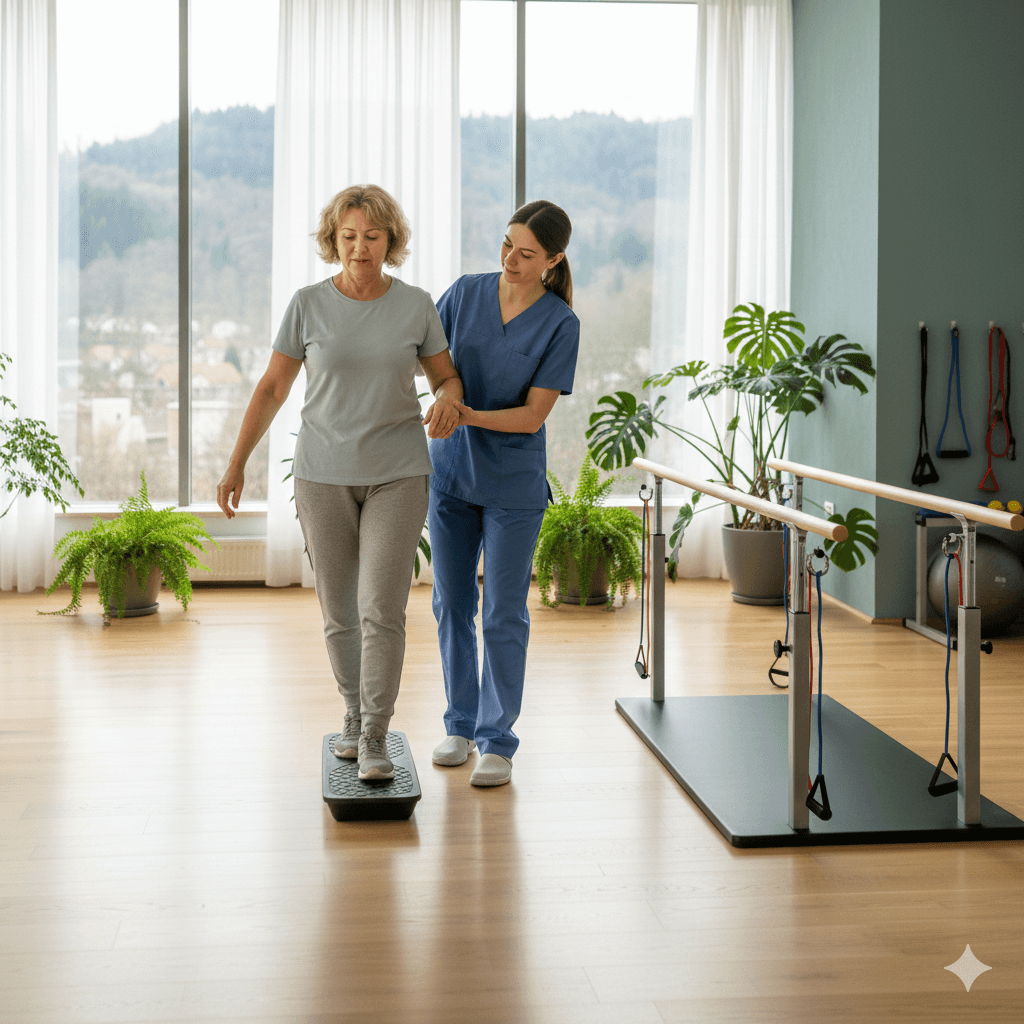
Six weeks have passed since father returned from the hospital. His arm is stronger, and the physiotherapist is satisfied. Yet, he sits by the window in silence. He does not want to go to his neighbor's for coffee, nor does he want to watch a football match. When you ask him to do his exercises, he says, "There is no point."
Families usually assume that the person is just tired and that it will pass. Often, it does not go away on its own. Post-stroke depression affects approximately one in three stroke survivors, and families are frequently unprepared for it.
This text explains how to recognize it, how it differs from ordinary sadness, how it is treated, and whom you can contact in Serbia for assistance.

How Common is Post-Stroke Depression
According to a scientific statement from the American Heart Association and the American Stroke Association, approximately one-third of stroke survivors experience depression at some point. For adults who have not had a stroke, this proportion is between 5% and 13%.
It most commonly occurs within the first year. It can begin while still in the hospital, but also months later, when it seems that the worst has passed.
It does not only affect individuals with severe impairments. It has also been documented after mild strokes and transient ischemic attacks (TIA).
Why Post-Stroke Depression Occurs
There are at least two causes, and they usually act together.
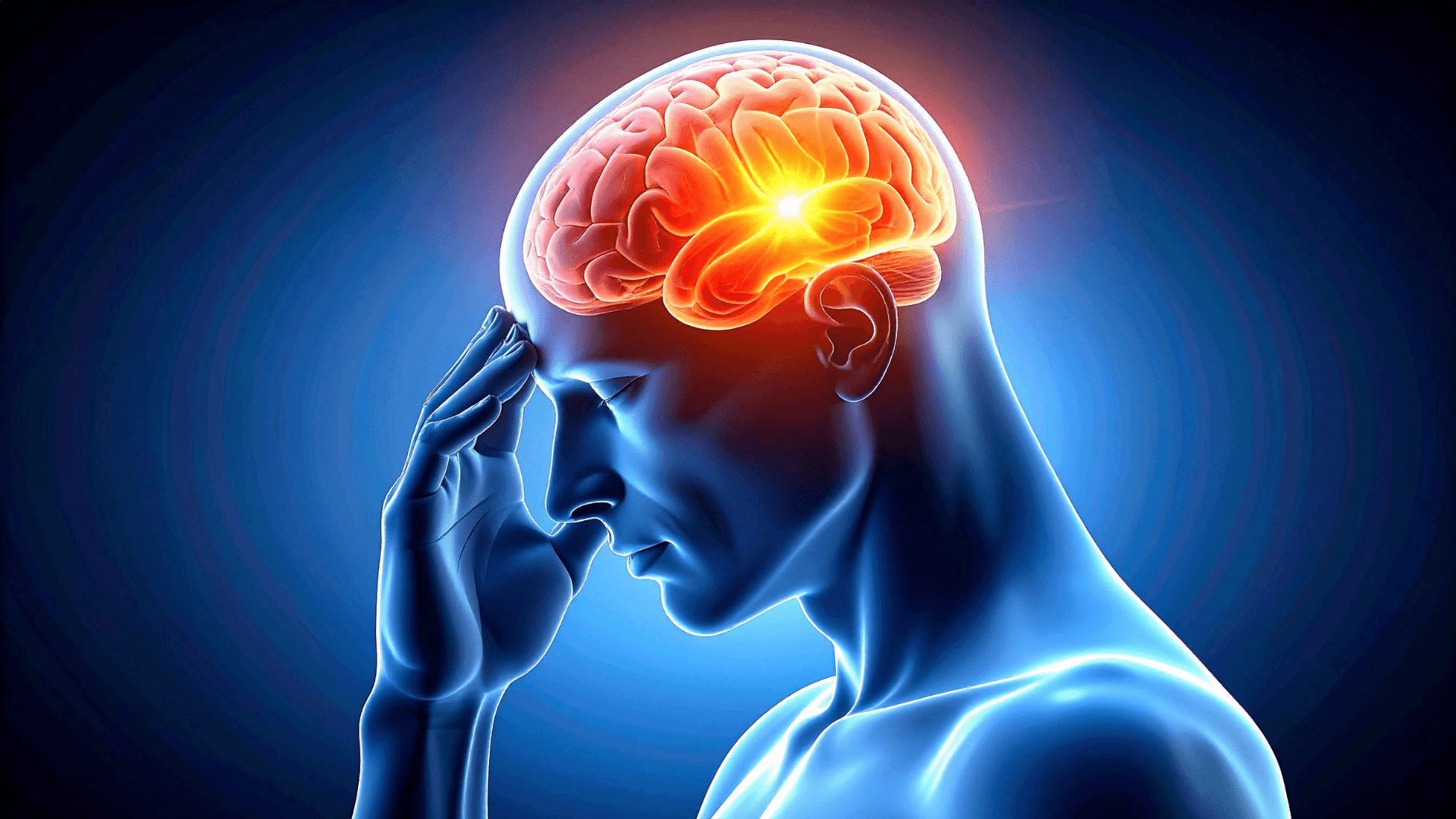
The first is the brain itself. A stroke damages tissue and disrupts the connections and chemical processes involved in mood regulation. Therefore, post-stroke depression is not merely a psychological reaction to the illness; it is partly a direct physical consequence of it.
The second cause is a life changed overnight. A person who, until yesterday, drove, worked, and cared for others now requires assistance to get dressed. The loss of independence, fear of another stroke, and financial worries are difficult for anyone to bear.
This means that depression is not a weakness of character or laziness. A person cannot simply "pull themselves together" through willpower, just as they cannot move a paralyzed arm through willpower alone.
Who is at Higher Risk
Research most consistently highlights four circumstances:
a more severe stroke
a higher level of disability following the stroke
a history of depression
memory and cognitive difficulties after the stroke
Loneliness and lack of social support also increase the risk. According to large-scale analyses, the hemisphere of the brain affected by the stroke does not reliably predict who will develop depression.
Symptoms of Post-Stroke Depression
Sadness after a stroke is expected. However, depression should be suspected when symptoms last for more than two weeks, are present for most of the day, and interfere with daily life and rehabilitation.
The most common symptoms include:
persistent sadness, emptiness, or anxiety
loss of interest in activities the person once enjoyed
feelings of hopelessness, guilt, or worthlessness ("I am a burden to everyone")
irritability and restlessness
lack of energy and feeling slowed down
difficulty concentrating and making decisions
insomnia, early-morning waking, or oversleeping
changes in appetite and body weight
thoughts of death or suicide
Signs the Family May Notice First
The individual often does not express that they are feeling sad. Therefore, pay close attention to behavior: refusing exercises, skipping medications, declining visitors, no longer asking about grandchildren, or staying in their room for days. Refusal of rehabilitation is sometimes the first and only visible sign.
When the Person is Unable to Speak
In cases of aphasia—a language disorder caused by stroke—depression can easily be overlooked because the patient cannot describe how they feel. In such instances, the physician relies on behavior and reports from the family. Note down what you have observed and when it began, and bring these observations to the follow-up appointment.


Conditions that resemble depression but are not the same
Following a stroke, several conditions may outwardly appear similar. A physician can differentiate between them, but it is beneficial for you to be aware of their existence.
Involuntary crying or laughing
An individual may begin to cry during a television commercial or laugh at an inappropriate moment, without experiencing intense sadness or joy. This phenomenon is known as emotional lability. In a British study, this was observed in at least one in five patients during the initial weeks following a stroke. Typically, it diminishes over time and is not treated in the same manner as depression.
Post-stroke fatigue
Exhaustion that does not improve with rest is among the most common consequences of a stroke. It can present independently of depression, though the two frequently co-occur.
Apathy
The individual appears indifferent and does not initiate activities on their own, yet is not sad and does not experience emotional suffering. This, too, can be a consequence of brain damage.
Grief
Grieving for the life one led prior to the stroke is a normal reaction. It occurs in waves and gradually subsides over time. Depression, conversely, does not subside and diminishes hope.
Why waiting for it to resolve on its own is not recommended
Untreated depression impacts more than just mood. On average, individuals with post-stroke depression experience poorer recovery rates, a lower quality of life, and higher mortality rates compared to those without depression.
Part of the explanation is straightforward. An individual lacking motivation is less likely to perform rehabilitation exercises, take medications regularly, or attend follow-up medical appointments. Consequently, valuable time is lost during the initial months when recovery is typically most rapid.
The encouraging news is that depression is treatable. Once mood improves, it becomes easier for the individual to re-engage with rehabilitation exercises and social connections.
How the diagnosis is established
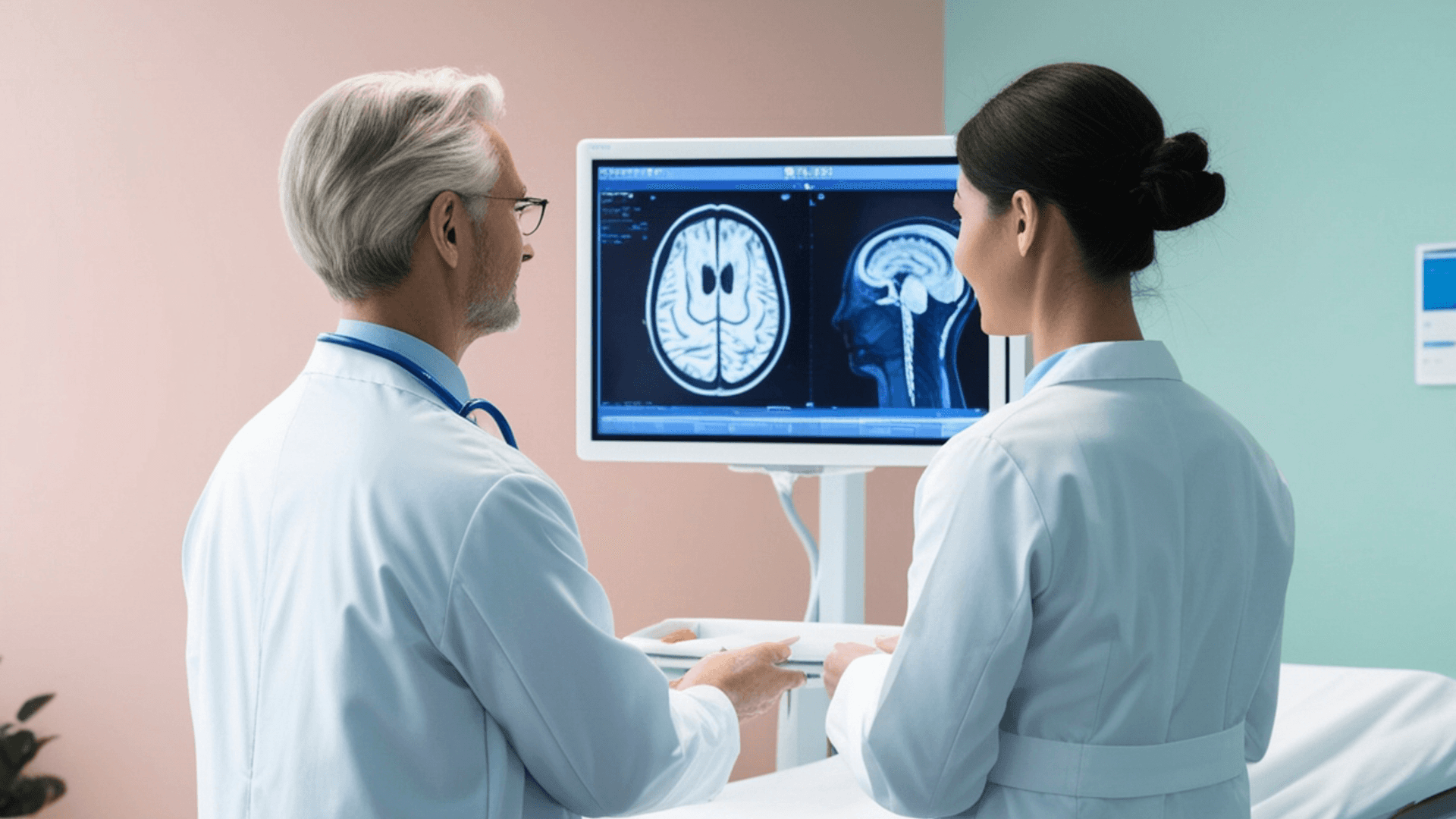
There is no imaging scan or blood test that can diagnose depression. The diagnosis is established by a physician based on clinical interviews with the patient and their family.
Brief questionnaires are also frequently utilized. One of the most validated instruments for post-stroke patients is the PHQ-9, which consists of nine questions assessing mood, sleep, appetite, and energy levels over the preceding two weeks.
You may also find these questionnaires online. They can help you organize your observations prior to consulting a physician, but they do not establish a diagnosis. This is particularly critical following a stroke, as fatigue, poor sleep quality, and physical slowness can also be direct consequences of the stroke itself.
Treatment of post-stroke depression
Treatment typically involves psychotherapy, pharmacotherapy, or a combination of both. The choice of treatment depends on the severity of the symptoms, other co-existing medical conditions, and the medications the individual is currently taking.
It is important to note that Cochrane systematic reviews indicate that evidence from studies is of low certainty, as the trials are small and frequently exclude the most severely ill patients. Nevertheless, both these reviews and professional medical associations conclude that treatment effectively reduces symptoms and that depression should not be left untreated.
Psychotherapy and counseling
Sessions with a psychologist or psychiatrist assist the individual in adapting to their changed circumstances, restoring a sense of personal control, and establishing small, achievable goals. Cognitive behavioral therapy is the most frequently cited modality. Short-term problem-solving programs and counseling have also demonstrated benefit.
Antidepressants
A physician may prescribe an antidepressant medication. These medications typically require several weeks to demonstrate efficacy and may cause adverse effects, most commonly nausea, drowsiness, or restlessness.
Three key rules apply to everyone:
Medication should only be initiated or discontinued under the direction of a physician.
Inform the physician of all medications the patient is currently taking, including anticoagulants (blood thinners).
Therapy must not be discontinued abruptly, even when the individual begins to feel better.
Physical activity, routine, and social engagement
Regular physical activity, within the limits recommended by the physician and physical therapist, a consistent daily routine, and social interaction serve as beneficial adjuncts to therapy. However, they do not replace formal treatment when depression is severe.

How the Family Can Help
You are the first who will notice the change. Here is what you can do:
Express what you observe without placing blame. "I have noticed you have not wanted to do anything for some time now. I am concerned."
Avoid saying "snap out of it" or "be happy you are alive." This only increases their sense of guilt.
Mention the mood change to the physician during the first follow-up appointment, even if the patient remains silent.
Set small goals. A ten-minute walk, having lunch at the table, or making a single phone call.
Restore their role in the household. Let them make decisions about something, even if it is just deciding what to cook.
Have people visit, but keep visits brief and arrange them in advance.
If they mention that they no longer wish to live, take this seriously and seek professional help immediately.
The Caregiver Can Also Experience Burnout
Depression among those caring for a stroke survivor is common, and according to some studies, even more prevalent than among the patients themselves. If you are experiencing sleeplessness for days, crying without a clear reason, or feeling unable to cope, you also need to speak with a doctor. This is not selfishness. The patient’s well-being depends on your ability to endure.
Whom to Contact in Serbia
The primary point of contact is the primary care physician at the local health center or the neurologist during a routine follow-up appointment. They can evaluate the patient's condition, prescribe therapy, or provide a referral to a psychiatrist. Psychologists are available in some, but not all, local health centers.
It is important to be realistic about how this looks in practice. According to research reported by domestic media, there are only slightly more than one hundred psychologists working in health centers across Serbia. Waiting times for appointments are often long, and private psychotherapy must be paid for out of pocket. The "Moždani udar" (Stroke) Association has warned that structured follow-up care for patients practically ceases after about three months of rehabilitation, with neurologists' follow-up appointments being the exception.
Therefore, do not wait for a medical professional to ask about the patient's mood. Bring it up yourself at every medical consultation.
If you live in Belgrade, according to available information, the Mental Health Center of the "Dr Laza Lazarević" Clinic accepts patients for an initial consultation without a referral. Please call to confirm before visiting.
In Case of Emergency
If a person expresses a desire to die or suggests that everyone would be better off without them, do not leave them unattended and call:
0800 309 309, National Suicide Prevention Hotline, toll-free, 24 hours
011 7777 000, "Dr Laza Lazarević" Clinic
0800 300 303, Srce Center, daily from 2:00 PM to 11:00 PM
194, Emergency Medical Services, if there is an immediate danger
Frequently Asked Questions
How long does post-stroke depression last?
It varies from person to person. Studies indicate that between 15% and 50% of individuals who developed depression within the first three months recovered by the end of the first year. For others, it lasts longer or recurs. With treatment, the prognosis is significantly better than without it.
Is post-stroke depression normal?
It is common, but that does not mean it should be tolerated. Sadness and fear in the first few weeks are expected. If they persist for more than two weeks and interfere with recovery, they should be reported to a physician.
Does depression slow down recovery after a stroke?
Yes. Depression is associated with poorer functional recovery, lower quality of life, and higher mortality rates. A person lacking motivation will find it more difficult to participate in rehabilitation and follow medical therapy.
Can antidepressants be taken after a stroke?
Yes, provided they are prescribed by a physician who is aware of all other medications the patient is taking. Antidepressivi are used in the treatment of post-stroke depression. The choice of medication and dosage must be tailored to the individual.
Why does a person cry constantly after a stroke?
Both depression and emotional lability are possible causes. In cases of lability, crying occurs suddenly, lasts for a short duration, and is not accompanied by deep sadness. In depression, sadness is persistent. A physician can distinguish between the two, and the treatment approaches differ.
Can depression occur after a mild stroke?
Yes. It has been documented both after mild strokes and after Transient Ischemic Attacks (TIA), where no permanent physical impairment remains. The severity of the stroke increases the risk, but a mild stroke does not rule it out.
How to help a person who refuses to do anything after a stroke?
Do not pressure them or lecture them. Express what you have observed, suggest one small daily step, and report this change to their physician. Refusing exercises and withdrawing from activities are often signs of depression rather than stubbornness.
Disclaimer
This text is for informational purposes only and does not substitute for a professional medical examination. The diagnosis of depression and treatment decisions must be made by a physician who is familiar with the patient's medical history. If you suspect a new stroke, call emergency services immediately at 194.
Sources
American Heart Association and American Stroke Association: Poststroke Depression, scientific statement, Stroke 2017
American Stroke Association: Depression and Stroke
Cochrane: Treatment for depression after stroke, systematic review
Cochrane: Prevention of depression after stroke, systematic review
Stroke Association UK: Emotional changes after a stroke, brochure
University of Glasgow: The TEARS study on emotional lability after stroke
Stroke Alliance for Europe: Interview with the "Moždani udar" association regarding life after stroke in Serbia
Vreme: There are 123 psychologists in health centers across Serbia
Nova.rs: Checking the availability of SOS hotlines in Serbia